
I’m a big believer in using food - and healthy lifestyle habits - as our first medicine. Then I like to add targeted supplements, and in very last place, pharmaceutical interventions in situations where they’re truly necessary.
Whole foods (from nature) have incredible healing properties and are designed to nourish our bodies and help keep us healthy - as part of an overall healthy lifestyle.
This principle applies to our everyday health, too; a balanced diet consisting of primarily whole foods can help us to maintain optimal levels of vitamins and minerals (for our body to function optimally), to feel good, have good energy, and also, to both help prevent and treat ANEMIA.
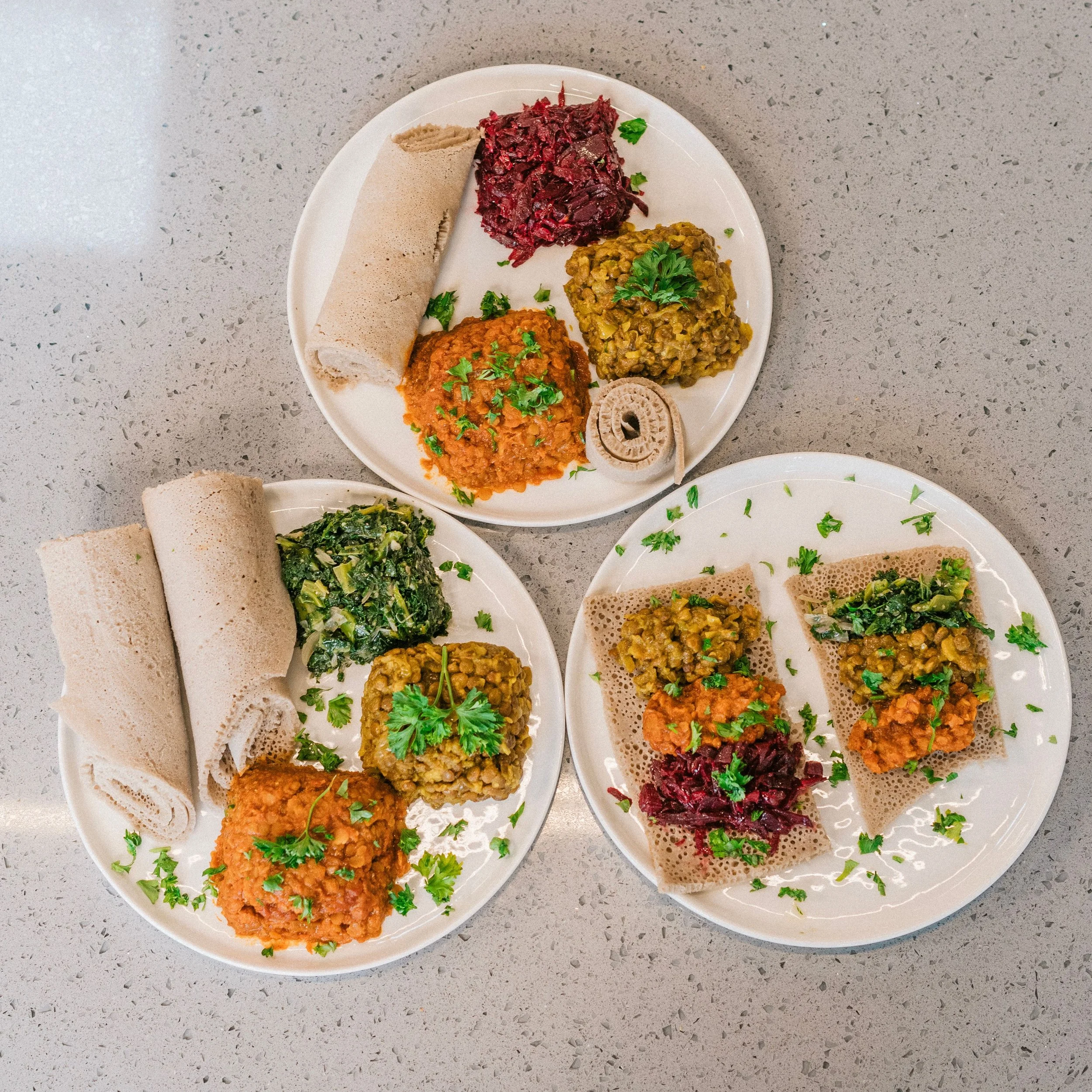
If you’ve been feeling tired, weak, short of breath, or have noticed you’re getting dizzy, low iron may be one possible reason. Iron deficiency is one of the most common nutrient deficiencies worldwide, especially among women of reproductive age, vegetarians, vegans, pregnant women, and endurance athletes.
The good news? In many cases, nutrition and lifestyle can play a powerful role in preventing - and even helping improve - iron deficiency. Building an iron-rich diet is one of the best ways to support healthy iron stores over the long term.
Remember: Every meal is an opportunity to nourish our bodies with the nutrients they need to thrive.
What is anemia?
Anemia occurs when your body doesn’t have enough healthy red blood cells or hemoglobin to carry oxygen efficiently throughout the body. There are several types of anemia, but iron-deficiency anemia is by far the most common. READ MORE HERE.
Iron is essential for producing hemoglobin, the protein inside red blood cells that transports oxygen. Without adequate iron, our cells don’t receive the oxygen they need, leaving us feeling fatigued and low on energy.
Iron-rich plant foods
Although animal foods contain highly absorbable heme iron (which is why I usually suggest eating more red meat to boost iron), many plant foods are excellent sources of non-heme iron.
Some of my favorite iron-rich plant foods include:
Lentils, Beans (black, kidney, white, chickpeas)
Soy (look for organic!): Tempeh, Tofu, Edamame
Seeds, especially: Pumpkin seeds (pepitas), Hemp hearts, Sesame seeds and Tahini
GF grains, especially: Quinoa, Amaranth, Oats
Dark leafy greens, especially: Spinach, Swiss chard, Kale, Beet greens
Dried apricots, Raisins, Blackstrap molasses
How to maximize iron absorption
One of the most important things to know is that it’s not only about how much iron you eat—but also how well you absorb it.
Here are some simple strategies that can make a big difference:
1) Pair iron-rich foods with vitamin C. Vitamin C can significantly increase the absorption of plant-based iron. Great vitamin C foods include:
Bell peppers, Tomatoes
Broccoli, Brussels sprouts
Citrus fruits, Strawberries, Kiwi and Papaya
This is why squeezing fresh lemon over a lentil dish or serving your meal with tomatoes and peppers is such a simple but effective habit.
2) Avoid drinking tea or coffee with meals. Coffee and tea contain compounds called polyphenols and tannins that can reduce iron absorption. If possible, enjoy them at least one to two hours before or after your iron-rich meals.
3) Include adequate protein. Protein supports overall health, including the production of healthy blood cells. If you eat animal protein, I suggest including 4-6 ounces animal protein with at least one meal a day. Beans, lentils, tofu, tempeh, edamame, nuts, and seeds are excellent plant-based protein sources. I personally like to combine protein sources, for example, 4 ounces chicken or fish with 1/4 cup lentils, chickpeas or beans. If you’re vegan or looking for plant based meals, I love pairing tofu or tempeh with lentils or beans.
4) Support a healthy digestive system. Even the healthiest diet won’t help if your body isn’t absorbing nutrients properly. Low stomach acid, digestive disorders, chronic inflammation, or gut imbalances may reduce iron absorption.
Eating slowly, chewing your food well, managing stress, and supporting gut health can all help optimize nutrient absorption.
5) Lifestyle habits that support healthy iron levels. Nutrition is just one piece of the puzzle. Other healthy habits include:
Eating enough calories to meet your body’s needs.
Including a variety of whole plant foods every day.
Prioritizing quality sleep.
Managing chronic stress.
Staying physically active while allowing for adequate recovery.
Also…working with your healthcare provider if you have heavy menstrual bleeding, digestive conditions, or persistent fatigue.
Note: If you suspect you may have iron deficiency, it’s important to ask your healthcare provider for appropriate blood work before starting iron supplements. Too much iron can also be harmful, so supplementation should be individualized.
Today I’m sharing two delicious recipes packed with iron-rich ingredients to support healthy iron levels (and help reduce risk of anemia).
Today’s recipes combine several naturally iron-rich ingredients—including lentils, leafy greens, and vegetables—with vitamin C-rich foods that help maximize absorption.
1. Beet, Lentil, Tempeh & Walnut Burgers
These hearty veggie burgers are packed with plant protein, fiber, iron, and antioxidants. Lentils and tempeh provide a wonderful combination of protein and iron, while beets add natural sweetness, color, and phytonutrients. I make a big batch of these at least once a month and keep them in the freezer.
Ingredients (serves about 8 patties / 4 servings of 2 patties):
1 8-oz package tempeh
1 Tbsp extra virgin olive oil
1 cup yellow onion, finely chopped
2 cloves garlic, minced
1.5 cups lentils, cooked (or a 15-oz can drained & rinsed)
1 cup walnuts, lightly toasted
½ cup grated, cooked red beets
½ cup almond flour
1 tsp dried basil, 1 tsp sea salt + pinch ground black pepper
1 to 2 Tbsp avocado oil for cooking burgers
Instructions:
Cut tempeh in small pieces. In a medium sauté pan, heat olive oil over medium. Add onions and sauté them lightly until onions are translucent and slightly browned. Add garlic and cook for a few minutes. Set onion and garlic aside (to cool), and in that same pan, add the cubed tempeh and cook for about 8 mins (flipping half way through). Set aside.
Once onions, garlic and tempeh are cool enough, add to food processor along with the lentils, walnuts, flour, beets, dried basil, salt and pepper. Pulse it slowly so the nuts will break up and the burger patty mix starts to come together. Place mix in bowl and work it together with hands. Taste the mix and re-season with salt and pepper, as needed.
Portion aprox 4oz patties out of the mixture. Press the patties down and form into flat, round burgers. Place in refrigerator to cool until ready to use.
To finish, cook the patties: Heat oil over medium heat. Add patties to fill pan and cook three to four minutes per side or until patty is browned. Flip patty over and cook another 3 to 4 minutes.
2. Roasted Cauliflower, Eggplant, Tomato, Greens & Lentil Bake
This colorful one-pan meal is loaded with nourishing vegetables, lentils, and leafy greens. Tomatoes naturally provide vitamin C, helping improve the absorption of the iron found in the lentils and greens. It’s a comforting, nutrient-dense meal that’s perfect for meal prep.
Ingredients (Serves 2-3):
1 eggplant, chopped
1 cauliflower, chopped (remove hard stems)
2 large handfuls of cherry tomatoes. halved
½ lb kale (or spinach or chard), stems removed and chopped
3 tablespoons extra virgin olive oil
2 tbsp almonds, slivered or chopped
3/4 cup green lentils, cooked
½ block of organic tofu, cubed (about 7-8oz) *for added protein
½ small lemon or lime, juice and pinch of zest
small handful of basil and cilantro leaves
sea salt & black pepper to taste
For the tahini yogurt sauce:
1 garlic clove (which we’ll roast)
3 tablespoons vegan coconut yogurt
1 tablespoon tahini
small handful of basil & cilantro
sea salt & black pepper to taste
Instructions:
Preheat the oven to 400°F. Toss together the eggplant, cauliflower, cherry tomatoes, spinach or kale, cubed tofu with 1.5 tablespoons of olive oil, a generous pinch of salt and some black pepper; spread everything out in a single layer (on 1 very large or 2 trays) then sit the garlic clove (for the yogurt-tahini sauce) in the corner of the baking tray. Cook for aprox 30 minutes until tender and golden.
About ten minutes before the end of cooking, spread the almonds out evenly on a small baking tray and place on a lower shelf of the oven. Cook for 5–8 minutes until golden. Then remove both trays from the oven and set aside to cool.
Once the garlic is cool enough to handle, squeeze the clove from the skin into a small bowl; then add the yogurt, tahini and herbs, season with salt and black pepper and set aside.
In a bowl, toss together the remaining tablespoon of olive oil with cooked lentils, lemon zest & juice and season. Stir the dressed lentils through the cooked vegetables (you can do this straight into the baking tray), followed by the basil and cilantro (if using). Serve with the yogurt tahini sauce on the side.
Final thoughts
Supporting healthy iron levels doesn’t require complicated diets or expensive supplements. Consistently filling your plate with a variety of iron-rich whole foods, pairing them with vitamin C-rich produce, and supporting your overall digestive health can go a long way toward nourishing your body.
These two recipes are simple, satisfying, and full of ingredients that work together to help support healthy iron levels—one delicious bite at a time.
As always, remember that food is one of our most powerful tools for health. Small, consistent habits truly make the biggest difference.