
I’m so happy that FINALLY the world is waking up to the importance of our gut and prioritizing our gut health.
If you’ve followed me for a while, you probably know that I have been talking about the utmost importance of gut health since I started my health coaching career over 10 years ago, as it was one of the first discoveries that prompted my career shift (when I started healing my gut and realized the power of food as medicine), and to me its the #1 area of focus with 95% of my clients. When someone wants to lose weight or just “get healthier”, I first start them with GUT HEALTH basics.
So thats what I want to talk about today!
Our gut is the foundation of overall health - from immunity and energy, to mood, skin, and of course digestion and even weight loss, our gut plays a role in nearly every system in our body. This is partly why our GUT is often called our second brain; it impacts so much more than digestion (including your brain and nervous system)!
Optimizing gut health involves many pillars, from lowering stress and strengthening your vagus nerve, chewing better, moving your body, sleeping well, eating foods in the right order, avoiding antibiotics when possible (and repleneshing with probiotics), drinking plenty of water, and more…but one of the absolute key drivers of optimal gut health is the food we eat DAILY, in particular, getting enough plants filled with FIBER, pre- and pro-biotics, and antioxidants.
Most of the time, it takes only small habit changes to see a big positive change in your gut, and consequently your overall health. It doesn’t need to be super complicated. With a few daily habits (as briefly mentioned above, which I dive into deeper in other blogs) and intentional food choices, you can strengthen your microbiome and feel better from the inside out.
So let’s dive in. I’ll share briefly:
Why your gut health is so important
Easy strategies to feed your gut microbiome with the right foods and fibers (and I’ll briefly touch upon some recommentations of clean prebiotics, probiotics, and enzymes for long-term balance)
Why is Gut Health so important?
Our gut microbiome is home to over 100 trillion microorganisms - bacteria, fungi, and microbes that help our body digest food, fight off pathogens, and even regulate the immune system.
When our gut is balanced, we see:
Inflammation decreases
Immunity improves (70% of your immune system lives in your gut!)
Digestion becomes more efficient
Energy, mood, and focus can improve
When it’s out of balance: symptoms like bloating, fatigue, skin issues, or brain fog are common - and can interrupt our daily happiness and productivity!
Think of your gut as a garden; it THRIVES when you regularly feed it diverse, nourishing foods, and give it the love, rest, sunlight and water it needs.
When your gut microbiome is healthy and balanced, you feel great inside and out. You have better digestion, a clearer mind, and even glowier skin.
Here are 5 of the most beneficial foods to include regularly for optimal gut health:
Fiber-Rich plant foods: Almonds, artichokes, avocado, berries (esp. blackberries, blueberries & raspberries), beans, broccoli, cauliflower, cherries, chia seeds, chickpeas, hemp hearts, flax seeds, leafy greens, lentils, pumpkin & sunflower seeds, sweet potatoes (and so much more..!)
Fermented (Probiotic) foods: Sauerkraut, kimchi, kefir, miso, plain greek yogurt (unsweetened), raw unfiltered apple cider vinegar *ideally buy organic for all of these
Prebiotic fibers: Acacia fiber, asparagus, bananas & plantains, dandelion greens, garlic, leeks, onions
Polyphenols: Berries, cherries, apples, green tea (especially matcha!), cacao and dark chocolate, organic coffee, most spices (turmeric, cinnamon, cloves, oegano, thyme, sage,..), extra-virgin olive oil
Collagen + Bone broth: Helps support and repair the gut lining
Tip: Eat the rainbow! Aim for color variety as different pigments feed different strains of beneficial bacteria, and help keep your gut in tip-top shape.
Let’s start with the most important…
Fiber: The Hero of Gut Health
While all the above are important, I want to shed a spcial light on FIBER. Fiber feeds your good gut bacteria as it’s literally their food source. Unfortunately, most people eat far less than the recommended 25–35g per day. Getting enough fiber is essential because it helps to:
Balance blood sugar
Keep digestion regular
Reduce inflammation
Support detox by binding toxins for elimination
and more! (read more HERE)
How to get more fiber in your diet:
Eat as much variety as possible of vegetables, including lots of leafy greens and herbs, fruits, beans and other legumes including chickpeas and lentils, nuts & seeds, and small amounts of organic grains such as oats and quinoa.
Some of my favorite super-high sources of fiber are: almonds, artichokes, avocado, blackberries, blueberries, black beans, broccoli, brussels sprouts, cashews, cauliflower, chia seeds, chickpeas, edamame, flax seeds, hazelnuts, hemp seeds, kale, lentils, quinoa, raspberries, spinach, squash (all types), sweet potatoes and walnuts.
Tips:
Firstly, always choose whole, unprocessed plant foods over refined ones
Add chia seeds and/or ground flax to smoothies, oatmeal, and all baked goods
Add acacia fiber to your coffee or matcha latte
Add 1/4 - 1/2 c lentils, chickpeas or beans to your lunch/dinner
Start your main meal with a green salad. Fot bonus fiber: include some avocado or sunflower or pumpkin seeds.
Enjoy a little dark chocolate for dessert; I personally suggest a small piece of organic 75%+ dark chocolate, or chocolate avocado mousse, or chocolate chia pudding or chocolate energy balls for your healthy sweet treat.
NOTE: It’s super important to increase your fiber GRADUALLY, and chew well (plus to drink plenty of water throughout the day) to avoid bloating. If needed, taking a digestive exzyme with some meals can help.
Apart from fiber, dont forget your Probiotics.
Probiotics are beneficial bacteria that help restore balance in the gut. They improve digestion, immunity, and even mood. You can get them by eating fermented foods, and/or taking a probiotic supplement.
TIPS when choosing a probiotic: Make sure to AVOID probiotics with added sugars, artificial flavors, or gums. Also opt for shelf stable (if they require refrigeration, how will they survive in your warm body?!) and make sure they have third-party testing, as well as disclosed strains and CFU count.
I look for good-quality probiotics with clinically studied strains (I love SEED, but also PURE and Garden of Life have great options), and personally take them first thing in the morning.
However, when I need an extra boost (or for clients doing a gut-healing protocol), a spore-based probiotic like MegaSporeBiotic or JustThrive is great. *Note: as these spore-based probiotics have better survival through stomach acid, studies show they tend to work best with/after meals.
Now lets move on to PREbiotics.
Apart from your normal soluble and insoluble fibers from foods mentioned above, it helps to particularly include foods higher in PREBIOTIC FIBERS. These are found primarily in garlic, onions, leeks, asparagus, green bananas, jerusalem artichokes, dandelion greens and fibers including acacia and inulin.
You can also add a prebiotic fiber powder (ex. to your lattes or smoothies). My favorites are: BulletProof innerfuel prebiotic, Thorne FiberMend , Garden of Life Prebiotic fiber, biome prebiotic, or just pure Acacia. *I alternate between a few of these, and include in my lattes daily!
Prebiotics are like the “fertilizer” that feed the beneficial bacterias (probiotics) in your gut so they can thrive. So eating a diet rich in fiber (including prebiotic fibers) AND fermented foods (probiotics) is one of the best ways to maintain a healthy gut.
It’s also beneficial to incorporate lots of POLYPHENOLS - antioxidants found in many colorful plant foods.
Some of the foods most rich in polyphenols include berries, cherries, apples, green tea (especially matcha!), cacao and dark chocolate, spices (turmeric, cinnamon, cloves, oegano, thyme, sage,..) and extra-virgin olive oil. These lower inflammation and boost overall health!
Lastly, I’ve had great success in incorporating COLLAGEN (from homemade or store bought organic bone broth, as well as collagen supplements) when helping to restore optimal gut health.
Note: If you’re having a hard time digesting extra fiber, it’s essential to eat slower, chewing well, and additionally, it can help a lot to take a digestive enzyme. Digestive enzymes can help your body absorb nutrients from each meal and reduce bloating or indigestion. These generally work best when taken right before meals.
Apart from including these 5 foods/nutrients daily, lifestyle factors play a large role, too! So yes, FIRST, take a look at your daily meals and see if you are eating enough of these gut-friendly foods fileld with fiber, pre/probiotics, polyphenols and also collagen. Then make sure you’re drinking enough water. And make sure you read my other blogs on daily lifestyle habits for optimal gut health, too…
Whats the best way to get started?
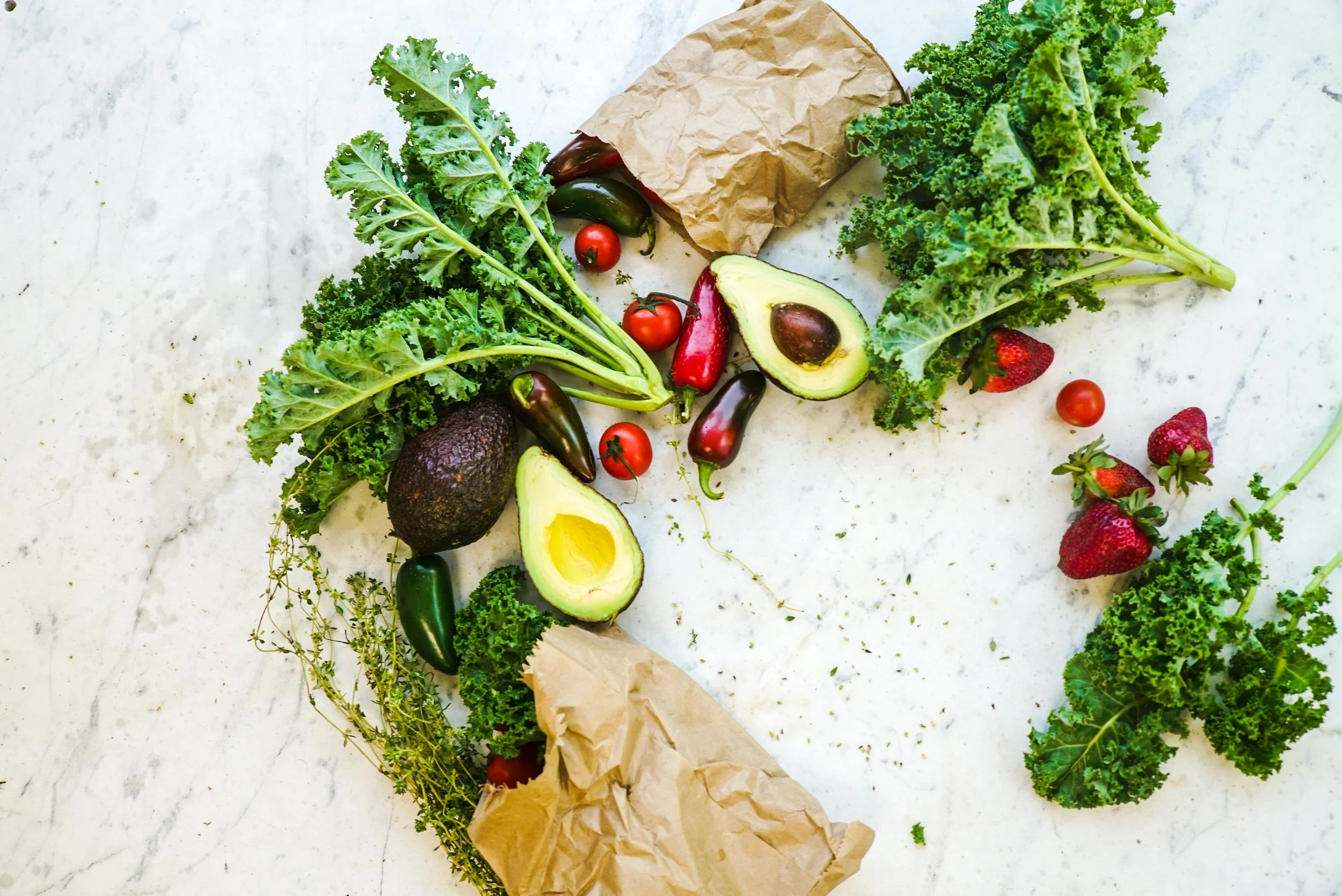
Research shows that eating 30+ different plant foods per week helps support a stronger, more resilient gut, so just focusing on adding in more veggies/fruits/herbs/nuts and seeds can help immensely. And its a great way to get your gut-health foods in regularly (including tons of fiber, prebiotics, fermented foods rich in probiotics, and polyphenols). It helps to rotate what’s on your plate, and when possible, focus on eating seasonally and primarily organic. So that would be my Strategy #1: AIM to get 30 different plant foods per week; HERE I share my tips.
Strategy #2 (if you dont’ feel like counting your plants): Just focus on eating colorful meals with at least 2 different colored vegetables in each meal - aim for one green and 1 or 2 other colored veggies. Then aim for getting in at least: 2 herbs/spices per day, 1 nut/seed per day, 1 fruit per day (extra points for including berries!) and 1 type of legume (bean/lentil/garbanzo etc) or grain (quinoa, brown or wild rice, buckwheat, etc) per day.
As for the collagen, if it’s too much of a hassle to make your own bone broth, you can just buy premade organic/grass-fed bone broth (I also like THIS one, THIS one, or THIS powdered one) and then get an unflavored collagen peptides powder (or like THIS one or THIS one) that you can add to your coffee or matcha latte, to smoothies and/or soups.
I promise eating a gut-healthy diet becomes easier and easier as you go. Just remember to increase your fiber GRADUALLY, and keep checking in with this blog to see what other gut-friendly food you can eat more of!
Love and Gut Health,
Mariana