

Recently, GLP-1 medications like Ozempic have gained significant attention for their dramatic weight loss effects (and other inflammation-reducing benefits). But did you know that you can naturally increase your GLP-1 levels with simple, science-based hacks? Let’s have a look at how GLP-1 works, why it’s important, and natural hacks to enhance its levels without medication.
First, WHAT IS GLP-1 and how does it work?
GLP-1 (full name: Glucagon-like Peptide 1) is a key hormone that helps regulate appetite, satiety, and glucose levels. GLP-1 is a peptide produced/released by the body when we eat, and it plays a major role in making us feel full and controlling our glucose levels.
Essentially, GLP-1 signals the body to slow down digestion. GLP-1’s first task is to tell our stomach to slow down the speed at which it releases food into the small intestine (aka gastric emptying). By slowing down digestion, food stays in our stomach longer, creating a feeling of fullness and preventing overeating.
GLP-1 also causes the distension of the stomach, which further enhances the sensation of satiety.
GLP-1 doesn’t just work locally in the gut; it also sends signals to our brain. It interacts with the vagus nerve and communicates with a part of the brain called the hypothalamus, which is responsible for regulating hunger and energy balance. When GLP-1 levels rise, the hypothalamus receives the message: “I’ve had enough food; stop eating.” This helps suppress appetite and create the feeling of satiety.
GLP-1 also plays an important role in glucose metabolism. It signals the pancreas to release more insulin, which helps lower blood sugar levels. At the same time, GLP-1 reduces the amount of glucose released from the liver into the blood, preventing spikes in blood sugar. NOTE: Normally, GLP-1 levels rise after you eat and peak about 45 to 60 minutes later. They then gradually decrease as the food is digested and absorbed. This cycle happens multiple times a day, helping us regulate hunger and glucose levels naturally. Understanding this natural cycle is key to optimizing our GLP-1 levels through simple hacks.
So YES, there are tons of benefits from getting enough GLP-1.
Now let me explain more about the medications. GLP-1 drugs artificially stimulate this process by dramatically increasing GLP-1 levels, suppressing hunger and promoting weight loss. GLP-1 medications also assist with blood sugar regulation by increasing insulin secretion when blood sugar is high and decreasing glucagon secretion (which raises blood sugar). Primarily, they help with appetite control by slow down stomach emptying, making people feel fuller longer.
Apart from this, people often get OTHER benefits from increasing this peptide, including lowering inflammation, reducing joint pain, and even supporting brain and heart health.
NOTE: These GLP-1 medications (like Ozempic, Wegovy, Mounjaro) are called "GLP-1 agonists”; that word “agonist” matters. They don't give you ACTUAL GLP-1; they give you something that acts like GLP-1 and satisfies those receptor cells in your body.
Here's the problem: When those receptors are constantly satisfied by the medication, your body basically stops producing its own GLP-1.
And like all medications, they can come with common SIDE EFFECTS, such as: loss of muscle mass, gastrointestinal issues like nausea and bloating, and rapid weight regain after stopping medication. So it’s important to properly assess your own necessity, dosing, and lifestyle habits that you’ll implement if taking these medicaitons.
Instead, we can also focus on natural ways to help our body produce more GLP-1.
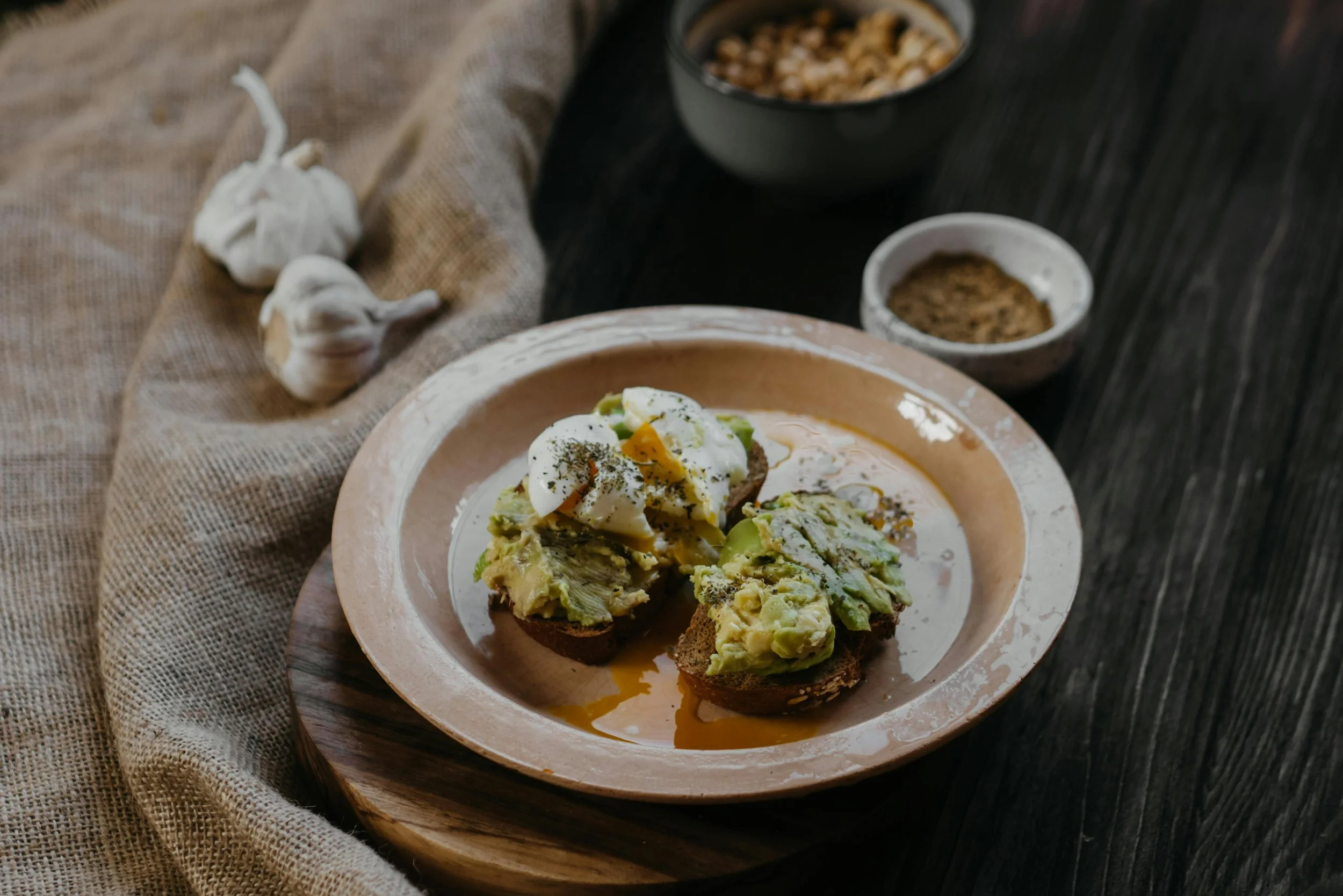
Here are science-based hacks that help naturally increase GLP-1 levels:
Eat more protein: high-protein meals, especially those including lean meats, eggs, and dairy, can stimulate GLP-1 release. Protein not only promotes satiety through GLP-1 but also enhances other hunger-regulating hormones. Studies show that eating 30-50 grams of protein at each meal (three times a day, roughly 4-5 hours between meals) is one of the best ways to stimulate GLP-1. Both animal and vegetarian proteins count! EAT MORE: organic eggs, chicken & turkey, grass-fed meats, wild-caught fish (especially smaller fattier fish like salmon), organic tofu & tempeh, greek yogurt and cottage cheese.
Eat more FIBER. Soluble fiber is fermented by gut bacteria into short-chain fatty acids, which stimulate GLP-1 production. It also slows down carbohydrate absorption, allowing for a more gradual release of glucose. EAT MORE: legumes (lentils, chickpeas, beans(, gluten-free grains (oats, quinoa, brown/wild rice), nuts and seeds (especially flaxseeds, chia seeds & basil seeds), and try supplementing with psyllium husk and/or acacia fiber.
Eat more healthy fats, primarily omega-3 fatty acids. Healthy fats, similar to protein, trigger signals in the gut that prompt the release of GLP-1. They slow down the stomach emptying and increase feelings of fullness, contributing to better satiety and reduced overeating. EAT MORE: fatty fish (salmon, sardines), olives and extra-virgin olive oil, avocados and avocado oil, all nuts especially walnuts (and nut butters), chia, hemp and flax seeds.
Eat slowly & Chew your food thoroughly: Slow, mindful chewing can stimulate GLP-1 release. Chewing activates digestive processes and increases the amount of GLP-1 released, prolonging satiety. Make the effort to be present while eating, focusing on smells, textures, and flavors, putting down your utensils after a few bites of food, and chewing until your food is almost liquid in your mouth. This is the number one tip I share with ALL of my clients as it also helps with optimal digestion and to minimize symptoms such as gas and bloating!
Eat your food in the right order: Start with veggies, then protein and fats, then leave starches for last (read study). As a bonus, I suggest adding in some bitter veggies (like arugula, raddiccio, kale, dandelion greens, etc) to your veggie starter, as these help with optimal digestion and with stimulating GLP-1, too! Eating in this order not only helps with optimal GLP-1 production, but also helps decrease post-meal glucose spikes.
Consume fermented foods and probiotic supplements. Probiotics help maintain a healthy gut microbiome, which is crucial for GLP-1 production. certain healthy gut bacterias can promote the release of GLP-1 through several important mechanisms, including the production of beneficial metabolites, like short-chain fatty acids(SCFAs) that stimulate GLP-1 secretion from colonic cells. Furthermore, studies suggest that the Akkermansia strain can directly stimulate GLP-1 secretion. EAT: Sauerkraut, kimchi, organic miso, tempeh, apple cider vinegar, and supplement with a good-quality probiotic (bonus looks for ones with akkermansia!)
Exercise regularly! Some research shows that regular exercise - mostly moderate and high-intensity exercise - can increase GLP-1 levels, too. This can make your body more sensitive to it, helping you feel fuller and stabilize your blood sugar even better. TRY: getting 10,000 steps daily, incorporating some strength training as well as some moderate/higher intensity cardio (and of course any type of movement you enjoy!).
Sleep 7-9 hrs daily & practice stress management. Lack of quality sleep and Chronic stress can both negatively impact GLP-1 production, so it’s important to prioritize sleep (work on your evening routine to help you sleep better) and regularly practice stress-reducing activities like meditation, yoga and/or deep breathing.
Certain natural supplements have also shown to help, including:
yerba mate
psyllium husk
lemon extract
turmeric (curcumin)
cinnamon
berberine (now tagged by many as “natures ozempic”)
probiotics with akkermansia (as mencioned above in point 6)
On the flip side, certain foods can also hinder your GLP-1 production. In general it’s best to try to limit or avoid:
Processed foods with Added sugars like juice, soda, candy and desserts
Refined carbs like white bread, crackers and white rice.
High-fat foods like pizza, fried chicken (and most fast food in general)
Remember, GLP-1 is a natural hormone and has a lower potency than a medication. So following these tips might not be as quick and effective as taking the medication, BUT stimulating GLP-1 naturally can provide meaningful benefits (above and beyond weight loss), without the costs nor side effects of the GLP-1 medications. Even if you do opt for taking the medications (they do tend to be effective), following these tips will help you a lot - both in the short and long run - to make the results more effective and permanent!
Note: For some people, just the natural approach isn’t cutting it because maybe the GLP-1 receptors aren’t functioning well, usually partly due to gut issues and/or hormonal imbalances. In this case, it’s important to first focus on proper GUT healing and optimizing your hormones (ideally with a functional medicine doctor and an experienced health coach), and THEN if you still need some help, consider taking small amounts of a GLP-1 agonist like Ozempic or Wegovy- together with these tips - to see results sooner.
So if you try all the natural things and you still don’t see enough improvement, you can discuss with your doctor the option of taking a GLP-1 agonist (for many people, micro-dosing might be enough to start, which I believe requires working with a compound pharmacy), but please don’t forget to put in the work. You’ll have much more success (especially for the long run) if you combine the meds WITH a high protein & high fiber diet, proper sleep, staying active including strength training, eating your probiotics, and making the effort to eat your food in the right order and chewing properly!
P.S. Please share this with anyone you know looking to lose weight, especially if they are considering taking Ozempic or any GLP-1 agonist med!