
Supporting your hormones isn’t about finding one miracle product, taking the perfect supplement, or following a single routine. It’s about looking at the bigger picture: how you eat, sleep, move, manage stress, and care for your body every day.
One piece of that picture that I believe deserves more attention is our everyday exposure to environmental chemicals.
Since it’s Breast Cancer Awareness Month, I’ve been sharing some of the lifestyle choices I believe are worth considering (as part of a broader approach) to help reduce our risk of breast cancer. This inspired me to take a closer look at one area in particular: the products we use every day and the chemicals we may be exposed to through them.
Some chemicals found in everyday products have been linked to endocrine disruption, meaning they can interfere with the body’s natural hormonal signaling (hence why they’re now reffered to as EDCs = endocrine disrupting chemicals).
Because hormonal health (and breast cancer risk!) are complex and influenced by many factors, I believe it’s worth paying attention to the choices we can control, including the products we apply to our skin, clean our homes with, store our food in, and use daily -especially during our menstrual cycle.
While no single product swap is going to transform your hormones overnight, making more informed choices can help reduce unnecessary exposure to certain chemicals.
The goal isn’t perfection or fear. It’s awareness, prevention-minded choices, and small changes that add up over time.
Here are some of the ingredients and materials I pay attention to, along with a few simple swaps you can start making in your own routine.
Ingredients & Materials I Pay Attention To
Synthetic fragrance. Found in perfumes, body lotions, cleaning products, laundry detergents, and more, fragrance can contain complex mixtures of chemicals. Some fragrance ingredients, or substances associated with fragranced products, raise concerns about hormone disruption. When possible, I look for products labeled fragrance-free rather than simply unscented.
Artificial colors and dyes. Artificial colorants are commonly found in packaged foods, drinks, cosmetics, and personal-care products. Look out for artifical colorants like Red 40, Yellow 5 and Blue 1 - which have been linked to inflammation and oxidative stress, both of which can influence our overall health and hormones. *These colorants are commonly found in cereals, flavored yogurt, candies, even “cheese” snacks and tons of kids foods, so start reading ingredients!
Artificial sweeteners. Sweeteners such as sucralose and acesulfame potassium are being studied for their potential effects on the gut microbiome and metabolism. Since gut health plays a role in many aspects of our overall health, I prioritize a diet built around whole, minimally processed foods - without artificial anything! *I find these sweeteners a lot in popular protein bars and protein powders so make sure to read ingreads and avoid sucralose and aspartame.
PFAS, or “forever chemicals”. PFAS are a family of chemicals used in some products for their water-, grease-, and stain-resistant properties. They can be found in certain food packaging, textiles, and other consumer products. Some PFAS have been associated with changes in thyroid function, reproductive health, and fertility. Because many persist in the environment and some remain in the body for a long time, reducing avoidable exposure is an important precaution.
BPA, BPS, and phthalates. These chemicals are used in certain plastics and other consumer products. Some are recognized endocrine disruptors, meaning they can interfere with the body’s hormonal systems. Research has linked them to concerns involving reproductive health, fertility, and metabolism.
My Favorite Ways to Make More Hormone-Conscious Choices
You don’t have to overhaul your entire life overnight. Start with a few simple changes and build from there.
Choose organic menstrual products when possible. Consider organic (and fragrance-free) cotton tampons, pads and/or menstrual underwear. Even for everyday, I like to choose underwear thats primarily organic as it’s touching my most vulnerable parts!
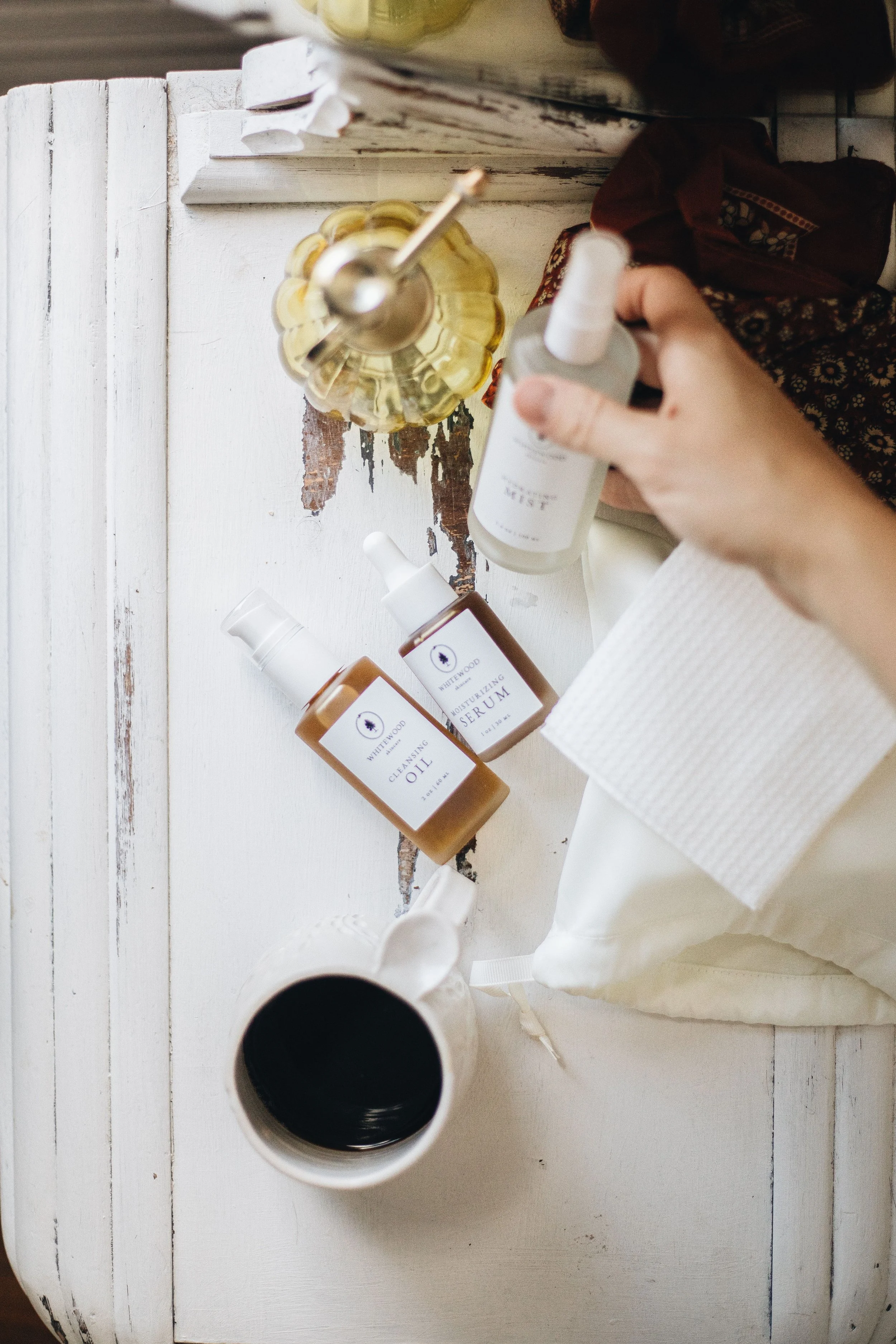
Simplify your beauty routine. Less can be more. Look for products with straightforward ingredient lists, consider fragrance-free options, and work with your dermatologist to find products that suit your skin without unnecessary ingredients (like parabens!). I like choosing skincare and makeup from sites that do the howework for you and only source “non-toxic” products - like the Detox Market and Credo Beauty (or within Sephora, I choose products labeeld as “clean by sephora”).
Clean up your cleaning routine. Explore fragrance-free cleaning products and laundry detergents, or simple DIY alternatives when appropriate. One of the best multi-purpose cleaners is just water, vinegar and a few drops of pure essential oils.
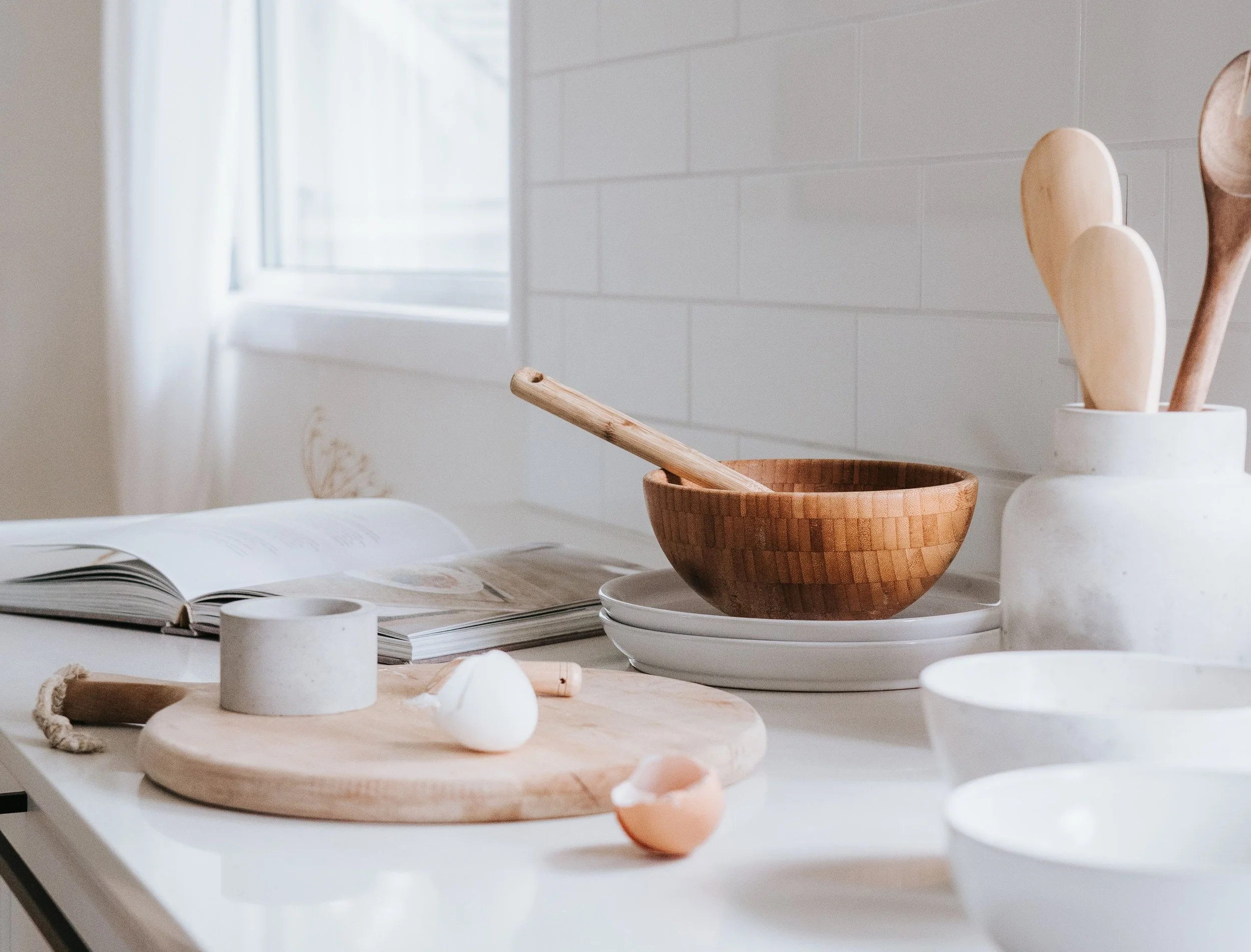
Reduce plastic. Choose glass, stainless steel and ceramic in your kitchen, particularly for hot foods and beverages, and avoid heating food in plastic. Use wooden or stainless steel utensils to cook, and even cutting boards; toss the plastic cutting boards and spoons/spatulas.
Pay attention to the materials that come into contact with your body daily. It’s not just what we put on our bodies, but also the materials we wear. Consider organic cotton or other natural fiber underwear, pajamas. towels and bed sheets. Be mindful of textiles marketed as stain resistant or water resistant which use (potentially harmful) chemical treatments.
Be mindful of food packaging. Food packaging can be a major source of chemicals including some PFAS. Limit use of grease-resistant food wrappers and takeout packaging, and whem you do order out, transfer immediatly to plates and leftovers to glass food containers. And generally, aim to limit plastic packaged foods as much as possible.
Minimize processed foods in your diet & choose organic. Aim to eat as little processed foods as possible; stick to WHOLE foods with one ingredient as often as possible, and aim for organic when possible. This will help minimize your exposure of a lot of chemicals!
Be intentional with supplements. Hormonal symptoms can have many different causes, and there is no single supplement that works for everyone. So I caution against supplements that claim to “balance all your hormones.” Focus on understanding what your body needs and seek personalized guidance for you instead of following a supplement trend.
Build your foundation with “cleaner” food and lifestyle habits. Prioritize a balanced, nutritious diet rich in whole foods, fiber, healthy fats, and adequate protein, alongside restorative sleep, regular movement, and stress management. This can help your body be stronger and better eliminate accumulated toxins.

A Final Thought
Hormonal health is influenced by many interconnected factors, and no single lifestyle change can guarantee a particular outcome. But I believe the small choices we make consistently matter.
You don’t need to buy every “clean” product on the market or fear everything around you. Start with what you use most often, make realistic swaps when you can, and invest your energy first in the habits that support your health as a whole.
Think progress, not perfection. Your everyday choices are an opportunity to care for your body, one step at a time.
Read more here (related articles):