
We talk a lot about calories, macros, diets and individual “superfoods,” but I think we sometimes miss something much more important:
What does a truly nourishing, balanced, healthy meal actually look like?
Every meal is an opportunity to support your health. The foods you choose can influence your energy, blood sugar, digestion, satiety, muscle health, hormone production and even the health of your gut microbiome.
And while there is no single “perfect” plate that works for everyone, there is a simple framework that I always use as a starting poing for myself and my clients.
Protein + plants/fiber + healthy fat + optional quality carbohydrates.
The goal isn’t to make every meal perfect. It’s to learn how to consistently put together meals that nourish your body and support your individual goals.
Here’s my 4 step plan to a balanced, healthy plate:
1. Start with lots of Fiber rich plants
When I build a healthy plate, plants are where I start, especially greens!
Leafy greens, all vegetables, herbs, legumes, nuts, seeds, fruit and whole grains provide fiber, vitamins, minerals, polyphenols and other beneficial plant compounds that work together to support our health; they benefit everything from immune function to cellular health.
This is an area where I think most people can do better. Often people focus on getting enough protein, and a small portion of carbs, but vegetables are just a small side that you almost force in.
I see it differently. For optimal health (and to support a healthy weight), plants shoudl make up the biggest part of your plate.
Fiber plays an important role in:
Gut health
Digestion and regularity
Satiety and weight management
Blood sugar balance
Overall health
And its important to include “prebiotic fibers”; fibers that are fermented by our gut microbes, producing “postbiotics”: short-chain fatty acids such as butyrate. These compounds play important roles in supporting the intestinal environment and overall metabolic health. MORE ON THIS HERE.
The goal is not only to “eat more fiber”, it’s to include a variety of plants that helps promote a healthy gut and healthy digestion.
TIP: Focus on diversity. Instead of eating the same two vegetables every day, try to regularly include different colors, textures and types of plants. Think:
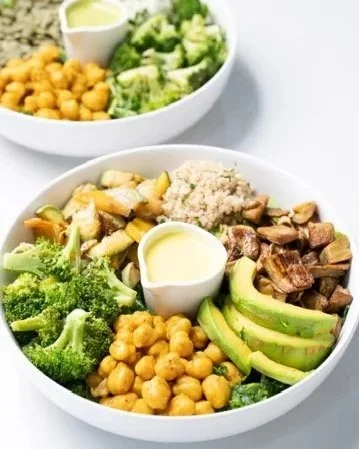
🥬 Leafy greens
🥦 Cruciferous vegetables
🫑 Colorful vegetables
🍓 Berries and other fruits
🫘 Beans and lentils
🥑 Avocado
🌱 Herbs and spices
🥜 Nuts, nut butters, seeds
Note: if you have digestive issues, remember that more fiber isn’t automatically better, not yet. The amount and types you tolerate will depend on your individual digestive health. The goal is to gradually build a diverse, fiber-rich diet that your body feels good with!
2. Add Protein
Once I’ve built the plant foundation of my plate, I add a quality source of protein.
Protein provides the amino acids our bodies need to build and repair tissues, including muscle. It’s also highly satiating, which is important for appetite regulation and maintaining a healthy weight.
And as we age, maintaining muscle becomes increasingly important. Adequate protein, combined with resistance training and overall good nutrition, plays an important role in supporting healthy muscle mass.
Good options include:
Fish and seafood
Chicken, turkey, eggs
Lean meats
Greek yogurt and cottage cheese, if you tolerate dairy
Tofu and tempeh
Beans and lentils
High-quality protein powders and collagen peptides
The amount you need depends on your body, activity level, age and goals.
The takeaway: don’t let protein be an afterthought. Make sure your meal contains enough to support your individual needs. Also, make sure EVERY meal has sufficient protein for optimal blood sugar management (and to help you meet your daily target).
3. Add Healthy Fats
Next, I think about quality fat. Dietary fat isn’t something we need to fear. It’s an essential part of a healthy diet and helps with: Absorption of vitamins A, D, E and K; Cell membrane structure; Essential fatty acids; Hormone production; and Satiety.
Some of my favorite sources are:
Nuts and seeds, Coconut, Cacao
Olives, Avocados
Fatty fish
Extra virgin olive oil, Ghee, Avocado oil, Coconut oil
Just like with everything else, quality matters. The goal isn’t to add huge amounts of fat to every meal. It’s to include the amount that makes sense for you and your health goals.
4. Add Carbohydrates — When They Make Sense for You
This is a tricky one. While some people do well with Keto diets and maybe some small degree of carb cycling, most women do best with a slightly larger amoutn of good quality, fiber-rich carbohydrates most days.
When it comes to carbs (like most things!), I think about quality, quantity and individual needs (contex). So yes, while some people do benefit from reducing carbs as part of their weight-loss strategy, I like to remind that whole-food carbohydrate sources provide fiber, nutrients and energy, especially for active people.
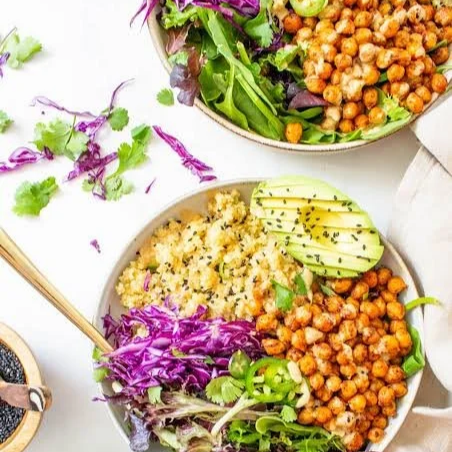
Think:
Sweet potatoes, Squash
Fruit
Legumes: Beans, chickpeas and lentils
Oats, Quinoa and other whole grains (I usually recommendsmall amounts)
I particularly like pairing carbohydrates with plants/fiber + protein + healthy fat rather than eating carbohydrate-rich foods on their own.
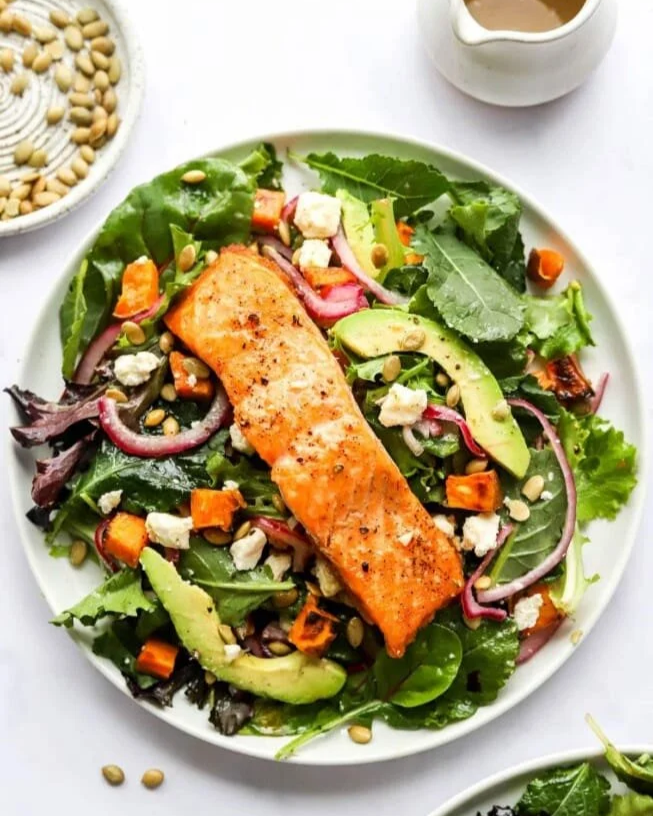
For example: Sweet potato + salmon + roasted (low-starch) vegetables + olive oil = is a very different meal (in terms of satiety, nutrients and blood sugar response) than simply eating a large serving of sweet potato by itself.
Your carbohydrate needs will vary depending on your activity level, metabolic health, goals and individual physiology. There is no one perfect amount for everyone. For a better understanding of how much carbs you personally tolerate, I suggest experimenting with a CGM (continuous glucose monitor) for a month.
The Blood Sugar Piece …
One of the reasons I love this approach is that it naturally creates more balanced meals. Rather than thinking: “Is this food good or bad?”, I encourage you to ask: “What can I add to make this meal more balanced?”
A carbohydrate doesn’t necessarily need to disappear. Maybe it needs protein. Maybe you need more vegetables or fiber. Maybe adding healthy fat will make the meal more satisfying.
This is one of the reasons I don’t believe healthy eating needs to be complicated.
Lastly, a note on Balanced Meals and Cravings …
When we build balanced meals and snacks with protein, fiber, healthy fats and quality carbohydrates, we not only support better blood sugar balance as mentioned above, we also get steadier energy and mood, and, importantly, fewer cravings!
Have you ever eaten something mostly carbohydrate-based and found yourself hungry or craving something sweet soon after? Pairing those foods with protein, fiber and healthy fat can make them more satisfying and help you feel fuller for longer. And ultimately, diminish your cravings!
RECAP: My Simple Meal Formula
When you’re standing in your kitchen wondering what to eat, start here:
🥦 Plants + Fiber. What vegetables, fruit, legumes, nuts, seeds and other plant foods can I add = to make plants over 50% of my plate?
🥩 Protein. What is my main protein source?
🫒 Healthy Fat. What quality fat will make this meal satisfying?
🍠 Optional Quality Carbohydrate. Would a whole-food carbohydrate make sense for me in this meal?
Then ask:
Does this meal look colorful?
Will it satisfy me?
Does it support my current health goals?
Will I feel good after eating it?
That’s it. You don’t need to calculate every gram or obsess over every ingredient. Once you understand the basic anatomy of a balanced plate, every meal becomes another opportunity to support your health!
One last reminder on my philosophy…
Healthy Eating is about the pattern. The consistency. One healthy meal won’t transform your health, and one less-than-perfect meal won’t undo it. What matters is the pattern you create over time.
This is why I like to think about the 90% principle: aim for the majority of your meals to be nourishing, balanced and supportive of your health, while leaving room for flexibility and enjoyment.
Because healthy eating isn’t supposed to be another source of stress. It’s a skill you can learn. Follow my basic guide and you’ll quickly become a natural “pro” and making nourishing, delicious meals without even thinking about it.