
If you read my last blog, you know that I don’t believe we need to be afraid of fat. But that doesn’t mean I think all fats are created equal.
When it comes to cooking fats, I care about three things: the quality of the fat, how processed it is, and how I’m using it.
Extra-virgin olive oil remains my number-one everyday cooking and finishing fat, and I still prioritize getting most of my dietary fats from WHOLE FOODS like avocado, nuts, seeds and fatty fish. But I also love using traditional animal fats, especially grass-fed ghee, in small amounts when cooking.
So let’s talk about the differences between butter, ghee, and other animal fats like tallow, duck fat and lard, and why 1 or 2 of these fats can absolutely have a place in a healthy kitchen (BUT may not be necessary).
First: what makes these fats different?
Butter, ghee, tallow and duck fat are all “natural” animal-derived fats, but they differ in a couple things - where they come from, how they’re processed, their fatty-acid composition, flavor and how well they work for different types of cooking.
As these animal fats tend to be relatively high in saturated fat, I don’t think they should replace extra-virgin olive oil, avocado, nuts, seeds and fatty fish as the foundation of your fat intake. Instead, I like to think of them as quality cooking fats that can be used intentionally and in reasonable amounts.
And remember, fried foods are fried foods and should be limited; whether they’re fried in seed oils or tallow, the difference is minimal. Using tallow won’t magically turn a fried food into a health food!
Now let’s dive into each one, and their differences…
🧈 BUTTER
Butter is made by churning cream until the butterfat separates from the liquid buttermilk. It’s minimally processed and can absolutely be part of a healthy diet (in small amounts).
Good-quality butter provides fat-soluble vitamins and other naturally occurring compounds, but I always suggest choosing butter made from grass-fed, organic milk when possible.
When choosing butter, I like to keep the ingredient list simple: Cream. Maybe salt. That’s it. Preferably organic.
So why not just use butter for everything? Butter contains milk solids, including proteins and lactose, which for many can be heavy and hard to digest. Also, those milk solids can burn relatively quickly at higher temperatures. That’s where ghee comes in.
✨ GHEE: MY FAVORITE
If you know me, you already know this one was coming. Ghee is my favorite animal cooking fat.
Ghee is essentially clarified butter: butter is slowly heated so that the water evaporates and the milk solids separate out, leaving primarily butterfat without the lactose. The result is a rich, delicious fat with a higher smoke point than regular butter and a wonderfully nutty flavor.
Why do I love ghee so much?
Since the milk solids are removed, ghee is essentially free of lactose, so a great alternative for people looking to minimize their consumption of lactose, as is my case (although people with true dairy allergies should still be cautious).
It’s incredibly versatile. I use it for sautéing vegetables, cooking proteins, roasting, mashed vegetables, spreading on toast and adding richness to dishes.
And the main reason ghee has a special place in my kitchen is due to Ayurveda. Ghee has been used in Ayurvedic tradition for thousands of years and is traditionally considered nourishing and supportive of digestion, vitality and overall well-being. Ayurvedic traditions use ghee A LOT for nourishment and gastrointestinal health.
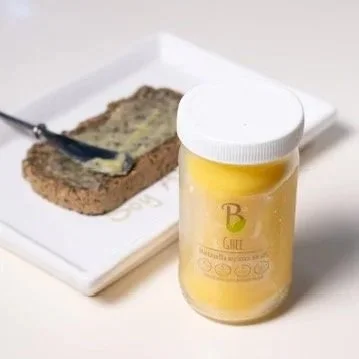
I love ghee because it’s a beautiful, minimally processed cooking fat, I love the flavor, I tolerate it well, and I appreciate its long history in Ayurveda. And yes, this is the ghee I make and sell at Balance Market, using organic unsalted butter.
🦆 DUCK FAT
Duck fat is exactly what it sounds like: fat rendered from duck. It has a robust savory flavor that is especially delicious for roasting vegetables or potatoes.
Compared with butter, duck fat contains no milk solids, so it’s useful for higher-heat cooking and for people who don’t tolerate dairy. I personally don’t buy nor use duck fat, but I do think it can be a wonderful occasional cooking fat (a little duck fat on roasted vegetables can be flavorful for sure!).
🐄 TALLOW
Tallow is rendered beef fat. Like ghee and duck fat, it’s a traditional cooking fat that has been used for generations.
It is relatively heat-stable and has a rich, savory flavor that works particularly well with roasted vegetables, potatoes and certain meats. If you’re going to use tallow, I would look for high-quality, grass-fed beef tallow with a simple ingredient list.
But again, I don’t think “grass-fed tallow” means we should suddenly start eating tablespoons of it with every meal. It’s still a concentrated source of fat and is high in saturated fat. And just because something (like plantains for ex.) is fried in tallow (vs. seed oils), it does NOT make it healthy! I personally don’t use tallow as I don’t find it necessary in my kitchen.
🐖 LARD
Another traditional cooking fat is lard, which is rendered pork fat. Like tallow, it has a long culinary history and can be a useful cooking fat. As always, quality matters here too. If you’re going to use lard, I’d look for traditionally rendered, minimally processed lard rather than a highly processed commercial product with unnecessary additives.
It’s another option that can be used occasionally for cooking and baking, but it isn’t something I personally reach for, especially since I generally minimize pork especially processed pork products.
🧈 WHAT ABOUT BUTTER VS. GHEE?
This is probably the comparison I get asked about most. Both can be good-quality, minimally processed fats, but I prefer ghee as it’s free of (or very low in) lactose and better suited for higher heat cooking. I also love its flavor, versatility and gut-supportive benefits.
🌿 WHAT ABOUT PLANT-BASED BUTTER?
This is where I think the word “plant-based” can sometimes be misleading. Plant-based does not automatically mean healthier. Most vegan butter alternatives are made primarily from highly refined oils and can contain a long list of ingredients.
If you don’t eat dairy, I recommend avoiding processed plant-based butters and sticking to whole-food plant-based fats like avocado, nuts and seeds, plus quality oils such as extra-virgin olive oil, rather than relying heavily on butter substitutes.
And what about MARGARINE?
I recommend avoiding! Traditional margarines are notorious for containing industrial trans fats, which are particularly harmful to cardiovascular health. Thankfully, trans-fat regulations have changed in many countries, and not all modern margarines contain trans fats. But I still recommend reading the ingredient list carefully. If a spread contains a long list of refined oils, additives and ingredients you wouldn’t recognize in your own kitchen, it’s probably not something I would choose as a staple.
For me, ghee (or traditional organic butter if you tolerate dairy) is a much more appealing choice when I want a traditional animal fat. And for a vegan option, extra-virgin olive oil is best (which is regardless always my #1 oil).
🫒 But wait… aren’t animal fats healthier than seed oils?
This is where I want to be careful because the internet has made this topic extremely black and white. You’ve probably seen or heard that “seed oils are toxic” but you must understand the “why” and not just demonize things.
Most refined oils are heavily processed and are common in ultra-processed foods (and have been shown to be inflammatory) - so I try to minimize seed oils, especially packaged foods containing refined oils. But that doesn’t mean every refined vegetable oil is inherently toxic, nor does it mean that replacing all plant oils with butter or tallow automatically makes a diet healthier.
From a cardiovascular perspective, the evidence is strongest for making unsaturated fats - particularly those from foods like extra-virgin olive oil, nuts, seeds, avocado and fish - the foundation of your fat intake, rather than relying heavily on saturated fats. So my approach is much more balanced.
I don’t use animal fats because I believe they are “healthier than all vegetable oils.” I use them (in small amounts) because they are minimally processed, flavorful, traditional cooking fats that can fit beautifully into a healthy diet when used thoughtfully.
Conclusion? I suggest being cautious of portion sizes of cooking fats as they’re generally 100% fat, very easy to overeat, usually high in saturated fat (in the case of animal fats), and provide little to no protein nor fiber. But as I mentioned, there are better options than others, that in small amounts can be delicious and part of a balanced diet!
What do I actually use?
If you opened my kitchen cabinet, this is what you’d find:
🫒 Extra-virgin olive oil. My #1 everyday fat. For salads, vegetables, dressings, finishing dishes and most everyday cooking.
🧈 Ghee. My favorite cooking fat. Especially for sautéing, roasting and adding flavor and richness.
🥑 Avocado oil. My neutral high-heat option. Especially when I don’t want the flavor of olive oil and/or I’m cooking much higher heat.
🥥 Extra-virgin coconut oil. My baking/dessert/granola fat, especially for things like homemade granola and my famous coconut-oil kale chips!
🧈 Butter. For flavor, baking and certain recipes. Especially when I want that classic buttery taste.
And then, of course, most of my dietary fat comes from whole foods:
🥑 avocado
🥜 seeds, seed butters, nuts and nut butters
🐟 fatty fish
🥩 quality meats
🥚 organic eggs
🥥 coconut (including coconut milk and my vegan coconut yogurt!)
🥛 organic plain greek yogurt and some cheese (if/when tolerated)
The biggest takeaway
My goal is to eat mostly whole, minimally processed foods and choose quality fats based on what I’m cooking, how I’m using them and how my body feels.
Extra-virgin olive oil is my everyday staple. Ghee is my favorite cooking fat.
Butter, duck fat, tallow and lard can have a place in the kitchen, too, if you’d like, just not in huge quantities nor at every meal.
And if you’re choosing between a highly processed packaged food made with refined oils and a simple homemade meal cooked with a small amount of good-quality ghee, butter or another traditional fat? I’ll take the homemade meal every time.
Because ultimately, it’s not about finding one “perfect” fat. It’s about quality, variety, balance and the overall pattern of your diet.
And yes… sometimes a little ghee is exactly what a plate of vegetables needs. 😉