
For years, “fat” had a pretty bad reputation. Low-fat everything. Fat-free yogurt. Egg-white omelets. Skipping avocado because it was “too high in calories.” Choosing foods based on how little fat they contained.
Thankfully, nutrition has come a long way and we now know better. Fat is NOT something we should be trying to minimize simply because it contains more calories. The type and quality of fat matter much more than simply trying to eat as little fat as possible.
And especially for women, I think this is an important conversation. If you are eating a very “clean” diet but your meals are consistently very low in fat, you may actually be missing an important piece of the nutritional puzzle.
Why do we NEED fat?
Fat is an essential nutrient. Our bodies need it for much more than simply providing energy. Healthy dietary fats help:
Support the production and regulation of hormones
Build and maintain cell membranes
Help our bodies absorb fat-soluble vitamins A, D, E and K
Support brain and nervous system health
Provide long-lasting energy and help with satiety
Provide essential fatty acids that our bodies cannot make on their own
Support cardiovascular health when we choose predominantly unsaturated sources
And there is another reason I especially like including healthy fats in meals: they make food feel satisfying.
Meals with sufficient healthy fats will fill us a up a lot more, and can even help prevent glucose spikes!
Let me elaborate here on the glucose part…When you eat carbohydrates together with protein, fiber and healthy fat, digestion and absorption tend to happen more slowly, which helps to blunt and delay the rise in blood glucose (vs. when you eat carbs on their own). This can mean a steadier energy curve and less of the “spike and crash” feeling that we tend to get after a higher-carbo meal.
My favorite part? Healthy fats add FLAVOR and satisfaction to meals, which makes healthy eating much more enjoyable. A beautiful salad with roasted vegetables, protein, extra-virgin olive oil and avocado is a completely different meal from a salad made with raw or steamed vegetables and a fat-free dressing.
IMPORTANT: We don’t need to be afraid of foods simply because they contain calories. Remember, not all calories come packaged with the same nutritional value. A calorie from avocado, nuts, salmon or extra-virgin olive oil, comes with very different nutrients and compounds than a calorie from an ultra-processed food. This is why I care much more about the quality and source of the fat, than simply trying to keep my total fat intake as low as possible.
I like to think of it (very simply) like this: some calories nourish us, and some calories make us inflamed and sick.
Hence, we need to be wary of ingredients and learn to avoid packaged foods with refined seed oils, for example, but release the fear of adding some avocado to our salad!
FAT AND HORMONES
Hormones are made from many different building blocks, and dietary fat is part of a well-nourished diet that supports normal hormone production and overall endocrine function.
This is one of the biggest reasons I don’t want women to fear dietary fat.
This does not mean that eating more fat will automatically “balance your hormones.” Hormonal health is much more complex than that. But if your diet is consistently very low in fat, particularly if you’re also not eating enough overall, you’re potentially leaving out an important source of nutrition.
This is especially relevant for women who have spent years dieting, restricting calories, avoiding carbohydrates and avoiding fat because they are afraid of gaining weight.
My approach is very different: I want my meals to be nourishing, satisfying and balanced, not as low-calorie as possible.
Lastly, let’s not forget what I mentioned earlier about fat and blood sugar balance - which is VERY RELEVANT to hormonal health. Glucose regulation and insulin are closely connected to the broader hormonal environment. Building meals that provide sufficient protein, fiber and healthy fats alongside carbs can be one simple way to support more stable blood sugar, and therefore support metabolic health, which is a VERY IMPORTANT part of overall hormonal health.
FAT AND GUT HEALTH
Healthy fats are not a magic treatment for digestive problems, and more fat is not necessarily better for everyone with gut issues. But healthy fats do support good gut health.
Healthy fats are a KEY part of a gut-friendly, nutrient-dense diet.
Many sources of healthy fats also provide other important nutrients and beneficial compounds that can help support a healthy gut - think avocado, nuts and seeds, extra-virgin olive oil, ghee, bone broth and fatty fish.
Plus, healthy fats are supportive of good digestion and nutrient absorption. Dietary fat can help us absorb fat-soluble nutrients from the foods we eat, and even help prevent constipation for many people.
At the same time, some people with digestive issues find that very high-fat meals are harder to tolerate. So, as always, your individual digestion matters.
My goal isn’t to eat enormous amounts of fat. It’s to make sure I’m not unnecessarily avoiding it, and that I am prioritizing the healthier sources of fats (and limiting the more inflammatory fats).
THE FATS I LOVE AND EAT REGULARLY
My general philosophy: prioritize fats from whole, minimally processed foods first, and use good-quality oils and cooking fats only as needed (mostly for flavor).
Here are some of my favorite sources of healthy fats and how I actually use them in everyday life.
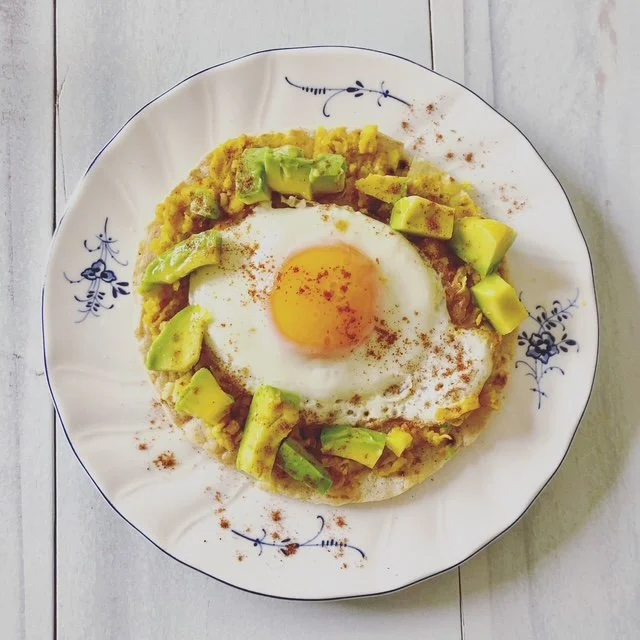
🥑 Avocado. One of my favorites. Avocados provide mostly monounsaturated fat, along with fiber and other nutrients. They’re incredibly easy to add to meals — on eggs, salads, bowls, toast or simply alongside a protein and vegetables.
🥜 Nuts & seeds. Almonds, cashews, walnuts, chia, flax, pumpkin seeds, sunflower seeds, hemp seeds, brazil nuts, pistachios and other nuts and seeds can add healthy fats, fiber, minerals and a little extra protein to meals. I love using them as toppings, blending nut butter into smoothies, using them for healthy desserts, or adding seeds to yogurt or oats.
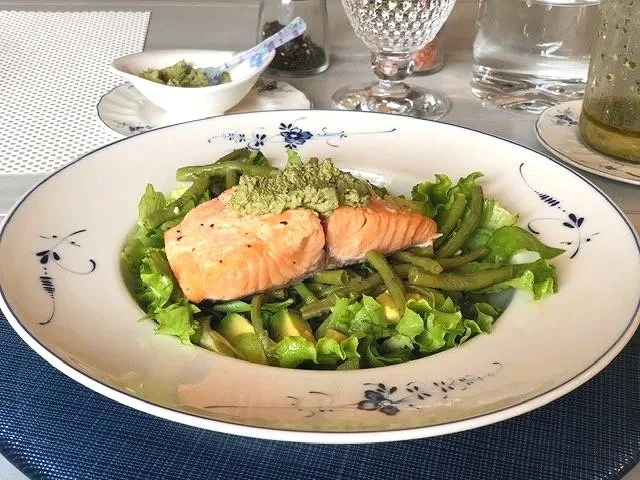
🐟 Fatty fish. Salmon, sardines and other small fatty fish are fantastic sources of omega-3 fatty acids. I try to include fatty fish 1-2/week, and when possible, I choose wild-caught, but I also prioritize choosing fish that are low in mercury and responsibly sourced.
🥩 Quality meat. I don’t believe meat needs to be demonized either. When I eat meat, I prioritize good-quality sources and, when possible, grass-fed and/or organic options. The goal isn’t perfection. Quality matters, but so does the overall pattern of your diet.
🥚 Eggs. Eggs are a nutrient-dense food and a convenient source of protein and fat (and other beneficial nutrients including choline!). I personally choose organic eggs when possible.
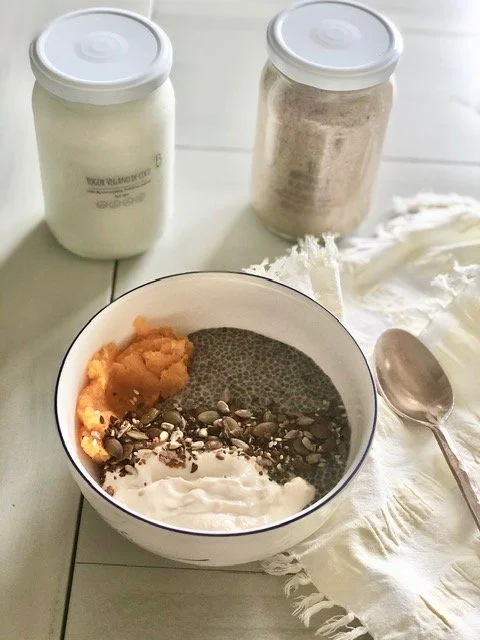
🥥 Coconut. Coconut is another healthy fat I love incorporating in different forms. I use full-fat coconut milk in recipes, enjoy unsweetened coconut yogurt when I want a dairy-free option, and use unsweetened shredded coconut in homemade desserts, granola, chia pudding, and smoothie bowls. Coconut provides mostly saturated fat, including medium-chain fatty acids, and adds richness and flavor without needing much.
🥛 Greek yogurt & cheese. If you tolerate dairy well, unsweetened Greek yogurt and good-quality cheese can absolutely have a place in a healthy diet. For vegans, I suggest good quality (unsweetened) coconut yogurt (like my Balance Food coconut yogurt, or in the US, Cocoyo, Cocojune or Coconut Cult) or Greek-style cashew yogurt.
What about COOKING FATS?
This is where things get especially interesting, because not all cooking oils are created equal.
As I mentioned earlier, I suggest getting most of your healthy fats from WHOLE FOODS and less from oils. That being said, some good quality oils can make healthy meals delicious, and be part of a well-balanced diet.
My TOP everyday cooking and finishing oils/cooking fats are:
🫒 Extra-virgin olive oil. Extra-virgin olive oil is my staple. I use it for dressings, vegetables, salads, cooking and finishing dishes. It’s rich in monounsaturated fat and contains naturally occurring antioxidant compounds. It’s also one of those foods where quality really matters, so I look for a good-quality extra-virgin olive oil (in a dark glass bottle, cold pressed) rather than simply grabbing whatever bottle says “olive oil.”
🧈 Grass-fed ghee. Ghee (clarified butter) is another favorite in my kitchen. I love it for cooking and sautéing, for mashed veggies and even layering on toast. Look for grass-fed always. Note: I’ll be doing an entire blog on ghee, butter and other cooking fats next, because there is actually quite a bit to discuss here!
🥑 Avocado oil. I also like avocado oil, particularly when I want a neutral-flavored oil for higher-heat cooking. Note: Its important to always pay attention to the ingredients (and the source) rather than assuming every bottle labeled “avocado oil” is automatically a great choice. Some recent research has shown that products marketed as using avocado oil may have other refined oils mixed in, so again, sourcing matters!
🥥 Extra-virgin coconut oil. I don’t use coconut oil for everything, but I love it for certain things — especially homemade desserts, granola and recipes where that subtle coconut flavor works well. I also love coconut oil for my kale chips (I swear it tasted delicious, message me for recipe!).
🌰 Sesame oil. I use small amounts of sesame oil occasionally when I want that delicious Asian-inspired flavor. It’s more of a finishing/flavor oil for me rather than my primary everyday cooking oil.
The oils I MINIMIZE / AVOID:
One thing I always encourage people to do is read the ingredient list. You can think you’re buying one thing, but packaged foods, dressings, sauces, crackers, granola, mayonnaise and other processed foods can contain refined oils that you weren’t expecting.
I try to avoid highly refined oils such as soybean, sunflower, safflower and canola oils, particularly when they show up repeatedly in processed foods.
Note: I don’t consider fried foods a source of “healthy fats” just because they were cooked in a particular oil. I limit fried food, period. That way I can enjoy more of my healthier fats without overdoing my total fat intake 😊.
Also, just to clarify: avoiding refined sunflower oil does NOT mean I avoid raw, organic sunflower seeds. Whole-food sources of fat are very different from highly refined oils extracted from those foods.
The overall food matters and cooking prep, too. A vegetable cooked in a little bit extra-virgin olive oil is very different from a processed, deep-fried vegetable.
So… how much fat should you eat?
There isn’t one perfect number that applies to everyone. Your needs depend on your total calorie intake, activity level, age, health, goals and the rest of your diet.
But I don’t think most people need to walk around counting grams of fat or being afraid of avocado because it’s “high calorie.”
Instead, I prefer to ask: Am I including a quality source of fat with most of my meals?
A simple guideline I often give my clients is to include 1–2 sources of quality fat with most meals.
Maybe it’s avocado (or a few olives) with my salad. A tablespoon of nut butter in my smoothie. Olive oil on my vegetables. A sprinkle of seeds on my soup. A handful of nuts with coconut shreds as a snack. Salmon for dinner. Greek yogurt (or vegan coconut yogurt) with seeds. A little ghee when cooking.
At the same time, REMEMBER, it’s key to make sure you avoid unhealthy fats especially in packaged goods and highly refined cooking oils.
It doesn’t have to be complicated. No counting grams nor calories, but 1) quality matters, and 2) pay attention how YOU FEEL. The amount of fat I need to feel healthy and amazing is different from the amount of fat you need!
My biggest takeaway…
You may not need to add a huge amount of fat to your diet, but I do want you to stop being afraid of it (at least not the high quality healthy fats). Healthy fats are a CRUCIAL part of a healthy, balanced diet - supportive of optimal hormonal and gut health.
If you’ve spent years choosing fat-free or low-fat foods simply because you thought fat was unhealthy, it may be time to rethink that approach. Instead of asking, “How can I eat less fat?” Try asking: “What are the best sources of fat for me, and how can I include them in a balanced diet?”
For me, that means lots of vegetables, adequate protein, small amounts of quality carbohydrates, plenty of fiber, and a variety of good quality healthy fats — without obsessing over any one nutrient.
And that is what I believe sustainable healthy eating should look like. Not restriction. Not fear. Just better choices, consistently.
Related Articles:
OMEGA-3’s 101: Benefits and Best Sources
What Oils Should You Be Using in the Kitchen?
Healthy Fats 101: The bad, the good, and the best
Why I (Still) Love Coconut Oil
Did You Know...? Benefits of Hemp Seeds (+ Recipes!)
Your Guide to Healthy Fish - Which to Eat & Which to Avoid
If you haven’t already, be sure to sign-up for my FREE NEWSLETTER and you’ll get my free Jumpstart Your Healthiest You guide.