

When you start to get older, and your demands in life increase, your stress increases (naturally; it’s hard to avoid) and we often struggle to feel relaxed and in control. It’s always something (especially if you work and have kids!). Life is HARD and gets harder as we age. To make matters worse, that beautiful hormone in our body that helps to keep us “chill” and serene - progesterone - starts to decline, especially for us women as we enter “perimenopause” and stays low after menopause.
Even before we reach the pre-menopause years, we have fluctuating levels of progesterone throughout the month, and if we’re not careful, it can drop too sharply right before our period, leaving us with a bit of “estrogen dominance”; this leads to many common PMS symptoms and causes our “chill factor” to drop, which therefore means we are more likely to be stressed, anxious and on edge.
What is this “chill” hormone?
Progesterone is the wonderful hormone that’s secreted during the second half of your menstrual cycle whose main role is to help prepare the body for pregnancy (and if you don’t get pregnant, progesterone drops, as does your estrogen, and you menstruate). When pregnant, progesterone stays elevated during pregnancy (which is why we are often more “nonchalant” during pregnancy; I know I was!). Progesterone is one of the main reasons why we have a stronger instict to rest and relax in that week before our period when its highest (same applies during pregnancy). It also helps support your mood and optimal thyroid function.
Progesterone is also vital for men, as it helps to regulate testosterone production, balancing the effects of estrogen, and supports reproductive (and other essential) functions.
In the case of women, if your progesterone is too low, you’ll likely have irregular cycles and/or heavy periods, you may fail to release an egg during ovulation, and if you’re pregnant, low progesterone can lead to a miscarriage. In perimenopause, low progesterone contributes to more mood disorders including anxiety.
Some signs that you may be low in progesterone include:
fertility struggles
thyroid imbalances (I usually suggest doing a full thyroid panel at least 1-2/year)
insomnia / trouble sleeping (and often low energy, too)
increased irritability, anxiety, increased stress, drops in your mood and even depression
hot flashes and night sweats
unexplained weight gain
sagging skin, cellulite
painful periods and/or lots of bloating and other PMS symtpoms the days before your period (indicative of estrogen dominance)
What can cause low progesterone?
High stress: Too much cortisol - your stress hormone - can interfere with your body’s ability to make progesterone.
Hypothyroidism (a slow or underactive thyroid) - it can make it harder for your body to make progesterone.
Over-exercising or extreme dieting: This can increase cortisol levels and put stress on your body, plus it deprives your body of key nutrients needed to sustain healthy hormone levels.
Low cholesterol: Low levels of cholesterol can cause low progesterone. So yes, healthy sources of cholesterol in food (in moderation) are actually beneficial!
Perimenopuase, Menopause and Postmenopause
Lactation (and specifically hyper-prolactinemia, when your body makes too much prolactin). Prolactin disrupts sex hormones like progesterone, leading to irregular cycles or loss of your menstrual period.
PCOS and Anovulation. When your hormones are out of balance and your periods are irregular (or even missing), low progesterone is often a part of the puzzle!
What can you do? HRT (hormone replacement therapy) is an option, which can entail taking progesterone creams or oral bio-identical progesterone for example, but before that step, it can also be helpful to do everything you can naturally to boost progesterone, through diet and lifestyle.
Let’s start with your diet. Here are the best foods to boost progesterone:
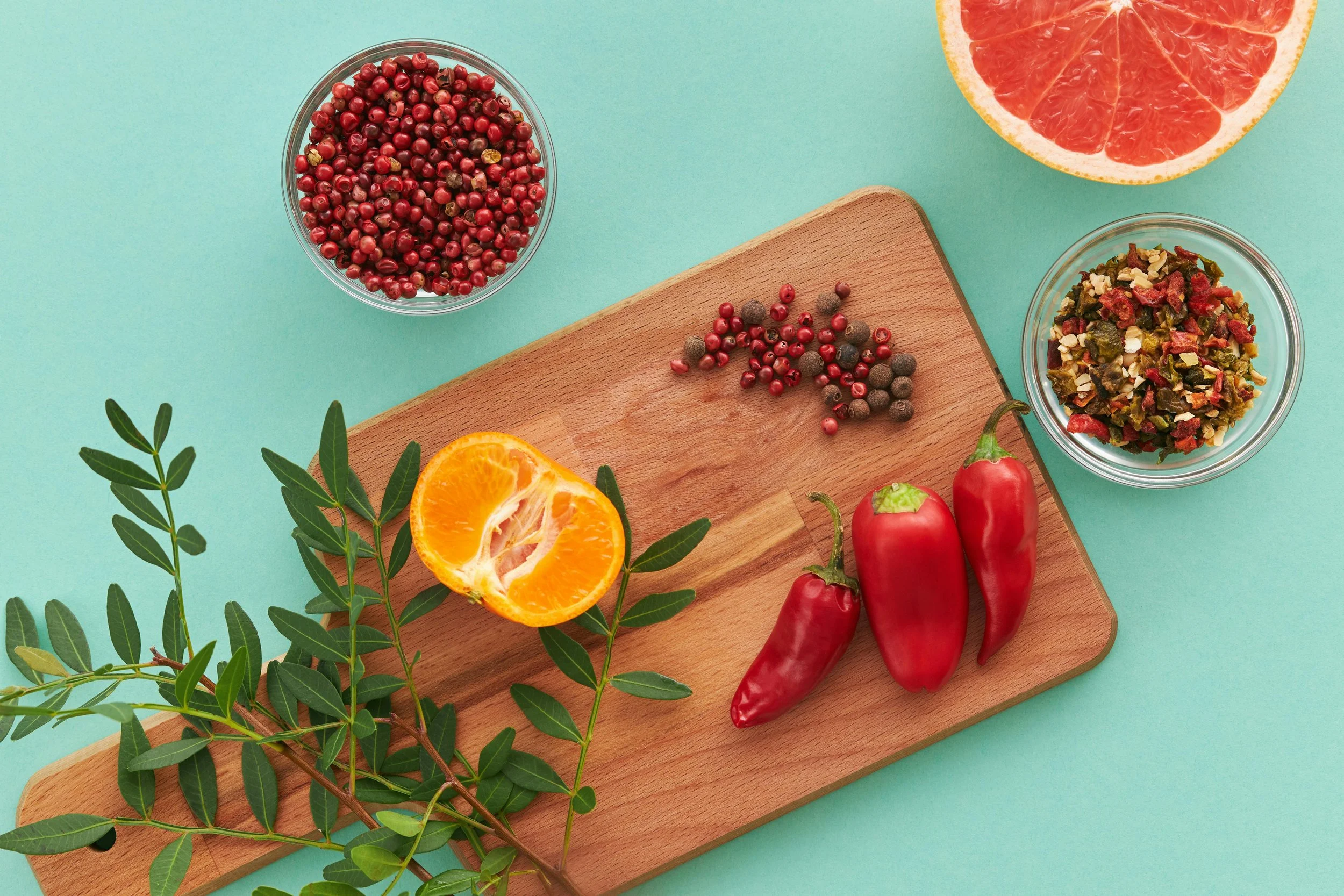
foods rich in Vitamin C: bell peppers, broccoli, spinach, strawberries (and all berries), citrus fruits
foods rich in Vitamin B6: sunflower seeds, turkey and lean red meats, fish, bananas, chickpeas, pumpkin and sweet potatoes, dried fruit
foods rich in Omega-3: fatty fish (wild caught salmon, sardines, anchovies, wild-caught skipjack tuna), walnuts and seeds (hemp, chia and flax)
foods rich in Magnesium: dark leafy greens (kale, spinach, arugula, chard etc), dark chocolate, grains (quinoa, teff, millet, brown/wild rice), nuts and seeds (chia seeds, flax, hemp, pumpkin and sunflower seeds, cashews, almonds)
foods rich in Zinc: shellfish, red meat, nuts and seeds (sunflower and sesame seeds, almonds and cashews), dark leafy greens and beans
overall foods rich in Fiber - again nuts and seeds, avocados, leafy greens, cruciferous vegetables, sweet potatoes, berries, whole grains and legumes
If you notice, there is a lot of overlap! The foods that tend to help the most in boosting progesterone include:
nuts and seeds
beans, chickpeas and all legumes
leafy greens (spinach, kale, lettuce, etc) and cruciferous veggies (broccoli, cauliflower, cabbage, etc)
pumpkin, sweet potato (and other colorful veggies!)
berries (and other fiber rich veggies)
fish, seafood and most lean meats (including poultry and red meats)
Additionally it’s important to prioritize these lifestyle factors:
Prioritize sleep: Aim for 7-9 hours of quality sleep per night. Create a consistent sleep routine and avoid screens before bed. And personally I suggest tracking your sleep with the Oura ring (or a similar devide; there are great options nowadays!). Read more HERE.
Manage stress: High stress levels increase cortisol, which can lower progesterone. Practice stress-reducing activities like mindfulness, meditation, or therapy. Read more HERE.
Exercise: Regular physical activity can lower cortisol and support healthy progesterone levels, but avoid excessive or extreme exercise, as it can disrupt hormones (especially the week before your period, if relevant)
Social connection: Maintaining social connections can positively impact progesterone levels!
If you have a menstrual cycle, try SEED CYCLING, taking a tbsp of Sunflower and Sesame seeds from ovulation until your period to support your progesterone during that 2nd half of your cycle
Focus on keeping stable blood sugar. Read more HERE and HERE!
Limit processed foods, added sugars and alcohol (and even decreasing caffeine can help; sorry!)
Taking these supplements can also help (check with your doctor, and see which ones are best for you):
Take DAILY omega-3 with a good quality multivitamin (or this basic one is great, too), and you can add in extra vitamin C during the second half of cycle (if still cycling)
Take magnesium daily before bed (i love this glycinate complex, or for a powder option, Natural Calm is great)
Try taking Vitex (chasteberry) daily (or this blend) - for a few months (on top of the others) and see if you notice an improvement!

Conclusion
If you have lots of PMS symptoms (usually atrributed in part to your progesterone dropping to quickly, leaving you with some days of estrogen dominance), struggling with fertility issues, or you are in that pre or post menopause stage in life, you will benefit from boosting progesterone levels. I suggest you make the conscious effort to eat progesterone boosting foods, try these supplements (always check with your doctor just in case), focus on keeping stable blood sugar, and remember to give your body love with lots of rest and consistent movement.