Walk into any health store or spend five minutes on social media, and you’ll quickly feel like you’re missing something.
Collagen for your skin.
Colostrum for your gut.
Greens powders.
NAD+ boosters.
Mushroom blends.
Electrolytes.
Adaptogens.
Longevity supplements.
The list never seems to end.
The truth is, most people don’t need dozens of supplements.
They need a thoughtful plan.
As a holistic health coach, I love supplements—but I also believe they’re one of the most misunderstood parts of wellness. Supplements should supplement a healthy lifestyle, not replace it.
Step 1: Start with the basics
Before thinking about the latest trending supplement, ask yourself:
Am I eating a balanced diet?
Am I sleeping enough?
Am I exercising regularly?
Am I managing stress?
Am I getting enough sunlight?
No supplement can consistently make up for poor nutrition, chronic stress, or lack of sleep. Those habits create the foundation.
Step 2: Test—don’t guess
One of my biggest beliefs is that supplements should be personalized.
Instead of buying products because someone on Instagram recommends them, work with your healthcare provider to evaluate what your body actually needs.
Some labs that can be helpful include:
Vitamin D
Vitamin B12
Omega-3 Index
Magnesium (keeping in mind that blood magnesium doesn’t always reflect total body stores)
Iron studies (when appropriate)
Inflammatory markers such as hs-CRP
Other labs based on your personal health history and symptoms
Note: Your needs today may not be your needs a year from now.
That’s why I recommend checking important markers periodically rather than assuming you’ll need the same supplements forever.
Step 3: Build a strong foundation
While everyone’s needs are different, there are a few supplements I frequently recommend discussing with your healthcare provider because many people can benefit from optimizing them.
Vitamin D3 + K2. Vitamin D is involved in immune function, bone health, mood, and many other processes.
My own vitamin D levels used to be quite low. After supplementing consistently, my levels are now in a healthy range, and I’ve personally noticed a difference in how I feel.
I take two drops of a Vitamin D3 + K2 supplement each morning in my lemon water.
Omega-3. Omega-3 fats support heart, brain, and overall health.
Even though I eat a healthy diet, my Omega-3 Index has remained lower than I’d like, so this continues to be a priority for me (and at the same time, I’m cautious of eating too much fish/seafood as I’ve also shown high levels of mercury). It’s a great reminder that healthy eating doesn’t always guarantee optimal nutrient status.
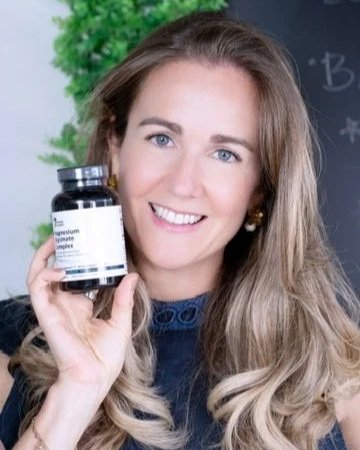
Magnesium. Magnesium supports hundreds of reactions throughout the body and may help with muscle function, sleep, stress resilience, and overall health.
This is one supplement I rarely skip. I take mine in the evening as part of my nighttime routine.
A high-quality multivitamin. This is like an “insurance policy” to cover your bases. But not all multivitamins are created equal. I prefer one that contains bioavailable nutrients, including methylated forms of B vitamins (such as methylfolate and methylcobalamin) rather than less active forms.
This can be especially important for people with certain genetic variations, including MTHFR, although it isn’t the only factor that determines nutrient needs. Quality matters just as much as quantity.
Probiotics. Gut health influences digestion, immune function, and many aspects of overall wellness. Not everyone needs the same probiotic, but for me, taking a quality daily probiotic has been a valuable part of supporting my digestive health.
Step 4: Add supplements that support your personal goals
Once you’ve built a solid foundation, that’s when it makes sense to personalize your supplement routine based on your goals, your lifestyle, and your lab work.
Here are a few of the supplements I personally use and why I chose them:
Collagen peptides
I add collagen to my morning matcha latte. While it’s not a complete protein, it can be a great addition to support healthy skin, hair, nails, joints, and connective tissue.
Protein powder
One of my priorities is getting enough protein throughout the day, and a high-quality protein powder helps me reach that goal—especially on busy mornings.
Creatine
Creatine is one of the most researched supplements available. Although it’s often associated with athletes, research suggests it may also support muscle strength, exercise performance, recovery, healthy aging, and even cognitive function in some people.
Functional mushrooms
Functional mushrooms have become increasingly popular, and while research is still evolving, some may offer interesting benefits.
Personally, I take Lion’s Mane because one of my health goals is supporting mental clarity and focus. I’ve always been a bit absent-minded and forgetful, so this is one supplement I’m experimenting with to see if it makes a noticeable difference for me.
Other functional mushrooms you’re likely to hear about include:
Reishi, often used to support relaxation and the body’s response to stress.
Cordyceps, commonly used to support energy and exercise performance.
Turkey Tail, which has been studied for its potential role in supporting immune health.
While the early research is promising in some areas, we still have much to learn. I view these as optional supplements—not essentials.
Essential amino acids
I occasionally add essential amino acids, particularly around workouts or on days when my protein intake may be lower than usual. For most people who consistently eat enough high-quality protein, these probably aren’t necessary.
Maca
I recently started taking maca as part of my personal approach to supporting hormonal health. Some studies suggest it may support energy, mood, libido, and hormonal well-being, though it doesn’t directly increase hormone levels the way many people assume.
Ashwagandha
Ashwagandha is an adaptogenic herb that I currently take in the evening with my magnesium. It’s best known for helping the body adapt to stress, and some studies suggest it may support sleep quality and reduce feelings of stress in certain people.
Again, this is something I’ve chosen based on my current goals—it isn’t something I think everyone needs.
Greens powders, spirulina, and chlorella
Many greens powders combine dozens of fruits, vegetables, herbs, algae, and probiotics into one scoop.
Spirulina and chlorella are nutrient-dense algae that provide vitamins, minerals, antioxidants, and other beneficial compounds. Some research suggests they may support immune health. help reduce oxidative stress and even assist our bodies in “detoxifying”.
I sometimes use spirulina and chlorella (or a supergreens mix), but I view them as a complement to a healthy diet—not a substitute for eating vegetables! I add spirulina to my smoothies about 2/week and when I’m doing a conscious 1 week “reset” I’ll often add chlorella in between meals. But again, eating chloryphyll rich green veggies should always come first! That being said, if you struggle to eat enough greens, then I’d definitely add in some greens powders (high quality and organic). They can be great for kids, too!
Beyond the Basics: Supplements You May Be Curious About
Every few months, it seems like there’s a new supplement everyone is talking about.
If you’re interested in wellness, you’ve probably heard of some of these:
CoQ10 (Coenzyme Q10)
CoQ10 is a powerful antioxidant that plays an important role in energy production within our cells, particularly in the mitochondria (often referred to as the “powerhouses” of our cells).
Research suggests it may support:
Heart health
Healthy aging
Reducing oxidative stress
Fertility, particularly egg quality in women and sperm health in men
While I don’t take it year-round, it’s one of the supplements I often consider during periods when fertility support or reducing oxidative stress is a priority.
Colostrum
Colostrum is the nutrient-rich first milk produced after childbirth. As a supplement, it’s marketed for gut health, immune support, and athletic recovery. Some early research is encouraging, particularly for certain digestive concerns, but the evidence is still developing and it’s far from being a must-have supplement for most healthy adults.
NAD+ boosters
Supplements designed to increase NAD+ levels (such as NMN or NR) have become popular in the longevity space because NAD+ plays an important role in cellular energy production and healthy aging.
The science is exciting, but it’s also still emerging. We don’t yet have strong long-term evidence showing that these supplements improve health outcomes, BUT I admit I’m tempted! For now I’ve personally held off as I have other priorities, but I’ll probably come back to evaluating this one soon.
Other adaptogenic herbs
Adaptogens such as rhodiola, holy basil (tulsi), eleuthero, and schisandra are often used to help the body adapt to physical and emotional stress. Depending on the herb, they may support energy, focus, resilience, or relaxation.
These herbs can be helpful in the right situations, but they aren’t one-size-fits-all, and “natural” doesn’t automatically mean they’re appropriate for everyone.
Supplements for Fertility: A Targeted Approach
One of the best examples of personalized supplementation is fertility.
When someone is trying to conceive, the goal isn’t to take every fertility supplement available—it’s to identify which nutrients may be most beneficial based on their individual health, diet, and lab work.
Some supplements that are commonly considered (under the guidance of a healthcare provider) include:
A high-quality prenatal vitamin to help provide key nutrients such as folate, iodine, iron (when needed), and other essential vitamins and minerals. My favorites include: Perelel, WeNatal, Thorne, Needed
Omega-3 fatty acids, which support overall health and fetal brain development once pregnancy occurs.
Vitamin D, if blood levels are low.
CoQ10, which may help support egg quality in women and sperm quality in men by helping protect cells from oxidative stress.
Choline, an important nutrient for baby’s brain development that many women don’t get enough of through diet alone.
Magnesium, if intake is low or there are signs of deficiency.
Depending on the person, your healthcare provider may also recommend other targeted supplements, but those decisions should be based on medical history, symptoms, and laboratory testing whenever possible.
The key takeaway is that fertility supplementation should be purposeful, not overwhelming. More supplements don’t necessarily increase your chances of conceiving. In fact, focusing on excellent nutrition, managing stress, getting quality sleep, exercising regularly, and addressing any nutrient deficiencies often provides the strongest foundation before layering on additional supplements.
CONCLUSION
The wellness world is full of exciting new products, and I genuinely enjoy learning about them.
I’ve been tempted to try many of these supplements myself.
But before adding anything new, I always ask myself three questions:
Does this support one of my current health goals?
Is there good evidence that it may benefit someone like me?
Do my symptoms or lab results suggest I actually need it?
If the answer is no, I usually skip it.
I’ve found that staying consistent with the fundamentals—and with a few high-quality supplements chosen intentionally—has done far more for my health than constantly chasing the newest trend.
Sometimes, less really is more.
So now, over to you.
Before adding any supplement, ask yourself these five questions:
What is my goal? (More energy? Better gut health? Fertility? Sleep?)
Can I address this through food or lifestyle first?
Do my symptoms or lab results suggest I actually need it?
Is there good evidence supporting this supplement for my specific goal?
Am I choosing a high-quality product from a reputable brand?
Once you’ve addressed the answers to those questions, you’re much more likely to build a supplement routine that is effective, intentional, and sustainable.
Hope this was helpful!
Knowledge is even more powerful when it’s shared. If this blog gave you clarity or taught you something new, please share it with someone who might find it helpful.
Want more articles like this? Subscribe to my newsletter to receive new blog posts, simple wellness tips, nutritious recipes, and practical health advice—without the overwhelm. Here’s to making healthy living simpler, one step at a time.